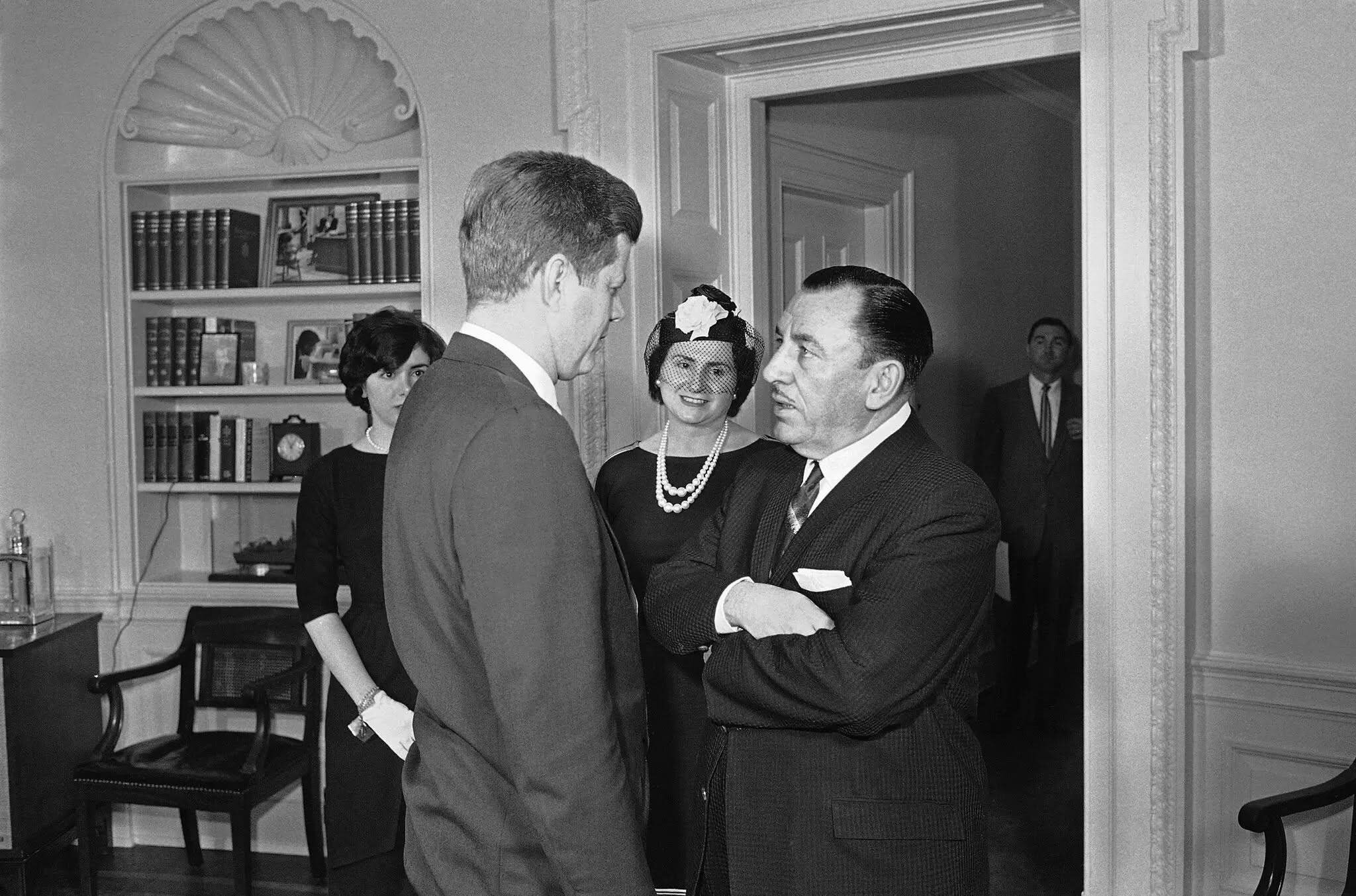
That’s Nancy Pelosi on the left. See the significance in 2026?
- Proverbs 20:10: “Divers weights, and divers measures, both of them are alike abomination to the LORD.”
- Proverbs 20:23: “Divers weights are an abomination unto the LORD; and a false balance is not good.”
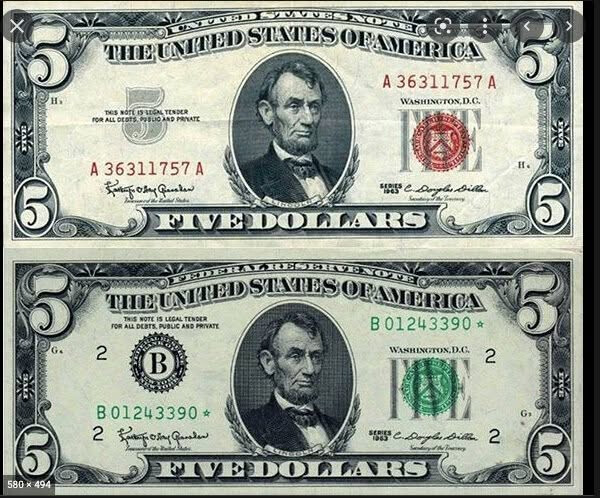
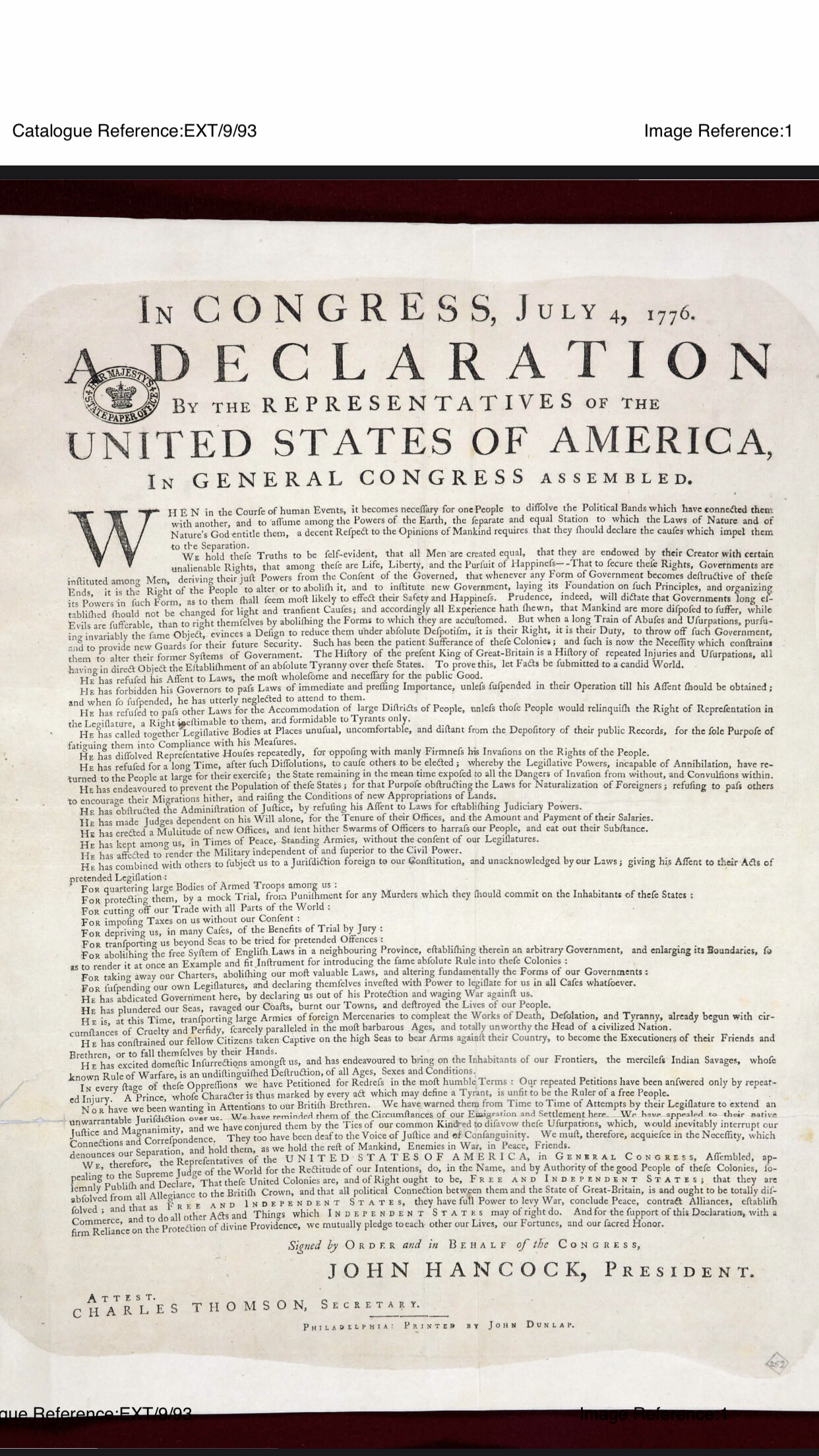
See that stamp on the upper left? That stamp holds great significance. A sovereign nation which prepares its bundle for the monarch is borne, not by permission, but by Declaration… and a war which was won. Not by discontinuity with the Common Law, but proving with this stamp as being part and parcel, and the various edicts which came with her, a new nation with her perfected Declaration.
A Declaration 1 of 200 Englands Stamp.pdf (875.9 KB)
The Role of the Magna Carta (1215)
Clause 35 (Weights and Measures): This specific clause explicitly mandated economic consistency across the realm. It states: "(35) There shall be standard measures of wine, ale, and corn (the London quarter), throughout the kingdom. There shall also be a standard width of dyed cloth, russet, and haberject, namely two ells within the selvedges. Weights are to be standardised similarly."
The Legal Intent: The barons had King John sign this clause to prevent the monarchy from arbitrarily altering the physical value of commodities and currency. It established that the value of an economic unit could not be fraudulently diluted by the sovereign to cheat the citizenry. [1, 2, 3].
The Magna Carta is recognized and expressly nodded at.
U.S. Constitutional Inheritance: This exact legal philosophy was directly imported into the U.S. Constitution under Article I, Section 8, Clause 5, which gives Congress the power to “fix the Standard of Weights and Measures” alongside the power to coin money.
Article I, Section 8, Clause 5:
"[The Congress shall have Power . . . ] To coin Money, regulate the Value thereof, and of foreign Coin, and fix the Standard of Weights and Measures; . . . "
The Role of the Mayflower Compact (1620)
While the Magna Carta dealt with the physical standard of commerce, the Mayflower Compact established the principle of expressly binding covenantal consent in the New World. [1, 2]
- The Core Principle: The signers agreed to combine themselves “into a civil Body Politick, for our better Ordering and Preservation, and Furtherance of the Ends aforesaid:2 And by Virtue hereof do enact, constitute, and frame, such just and equal Laws, Ordinances, Acts, Constitutions, and Officers, from time to time, as shall be thought most meet and convenient for the general Good of the Colony”
- The Legal Intent: It established that a government’s authority is derived entirely from the explicit terms of the contract agreed upon by the people.
- Application to Currency: From a strict originalist viewpoint, when a people ratify a constitution (like Nebraska’s in 1866 or 1875) using a fixed, known physical weight (the silver dollar), that specific measure is part of the binding covenant. Altering that standard without the explicit, amended consent of the body politic violates the covenantal foundation tracking back to 1620. Doesn’t the body politic have a history of being manipulated, and of changing with the weather? Rights do not go in and out of style.
Notwithstanding, repugnancy..
“An unconstitutional act is not a law; it confers no rights; it imposes no duties; it affords no protection; it creates no office; it is in legal contemplation as inoperative as though it had never been passed.” Norton v. Shelby County, 118 U.S. 425 (1886)
“[A] law repugnant to the constitution is void, and that courts, as well as other departments, are bound by that instrument.” Marbury v. Madison, 5 U.S. 137 (1803)
.. specifically enumerates guardrails longs since established.
"United States coins and currency (including Federal reserve notes and circulating notes of Federal reserve banks and national banks) are legal tender for all debts, public charges, taxes, and dues. Foreign gold or silver coins are not legal tender for debts.
(Pub. L. 97–258, Sept. 13, 1982, 96 Stat. 980; Pub. L. 97–452, § 1(19), Jan. 12, 1983, 96 Stat. 2477.)"
But hold on. Legal tender, perhaps… (though I personally as opinion think this is seditious and repugnant in nature) …Legal tender, perhaps, but what is a false equivalency? Let us examine these again (from prior) -
" There shall be standard measures of wine, ale, and corn (the London quarter), throughout the kingdom. There shall also be a standard width of dyed cloth, russet, and haberject, namely two ells within the selvedges. Weights are to be standardised similarly."
“just and equal laws… for the general good.”
"[The Congress shall have Power . . . ] To coin Money, regulate the Value thereof, and of foreign Coin, and fix the Standard of Weights and Measures; . . . "
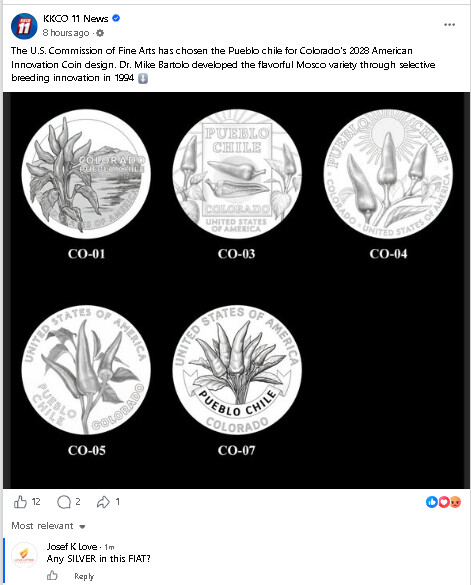
If we’re being honest, there can be no doubt that a Silver Dollar is not the same as a fiat dollar. Nobody in their right mind would willfully and knowingly exchange one superior Silver Dollar with 1:1 parity for one fiat dollar! For any government department to accept them at the same face value is DILUTION! It is therefore REPUGNANT to..
“This Constitution, and the Laws of the United States which shall be made in Pursuance thereof; and all Treaties made, or which shall be made, under the Authority of the United States, shall be the supreme Law of the Land; and the Judges in every State shall be bound thereby, any Thing in the Constitution or Laws of any State to the Contrary notwithstanding.” Article VI, Clause 2
and
"[The Congress shall have Power . . . ] To coin Money, regulate the Value thereof, and of foreign Coin, and fix the Standard of Weights and Measures; . . .
"(35) There shall be standard measures of wine, ale, and corn (the London quarter), throughout the kingdom. There shall also be a standard width of dyed cloth, russet, and haberject, namely two ells within the selvedges. Weights are to be standardised similarly."
“just and equal laws… for the general good.”
Regardless of what repugnant laws or decisions had since been invoked.
“It is a general principle of the law that there is no occasion to search for its meaning beyond the instrument; the words of a Constitution, if they are not ambiguous, are to be taken to mean what they literally say, and although there is no ambiguity in the words as used in written instruments. The obscurity of any provision should be resolved by harmonizing all other provisions. For the very end of the provision, every provision should always be read so as to give it some effect, and the words of the Constitution as written in their common meaning, while we are bound to read the constitution as a whole, have a full and liberal effect.[1]” 11 Am. Jur. 1D § 64
[1] Story, Commentaries on the Constitution (5th ed.) §§ 400-438; Cooley, Constitutional Limitations (8th ed.) 68-129; Willoughby, The Constitutional Law of the United States (2d ed.) §§ 16-30.
https://josefkulovany.com/law/AmJur1d_ConstitutionalLaw_Vol11.html
https://supreme.justia.com/cases/federal/us/79/457/