Genesis 2:24
(Creation; institution of marriage.)
Job 16:19
(Ancient testimony to a witness in heaven.)
Matthew 19:4–6, citing Genesis 2:24
(Christ reaffirms the creation ordinance of marriage.)
Mark 10:9
(Christ reiterates the indissolubility of marriage.)
John 5:31–37
(Christ discusses the requirement of witness and testimony.)
John 8:18
(Christ identifies Himself and the Father as two witnesses.)
1 Thessalonians 2:5
(Paul calls God as witness.)
Romans 1:9
(Paul again invokes God as witness.)
1 Corinthians 4
(Paul discusses stewardship, judgment, and faithfulness.)
2 Corinthians 6:14; 1 Corinthians 7:39
(Marriage and covenantal restrictions.)
Ephesians 5:22–24
(Wife’s relation to husband.)
Ephesians 5:25; 1 Peter 3:7
(Husband’s duties toward wife.)
Hebrews 13:4
(Honor and sanctity of marriage.)
Article VI, Clause 2 (1788) SUPREMACY CLAUSE, UNCOMMON KNOWLEDGE
First Amendment (1791) COMMON KNOWLEDGE
Marbury v. Madison (1803)
Meister v. Moore (1877)
Wells v. Caywood (1877)
Hurtado v. California (1884)
Norton v. Shelby County (1886)
Boyd v. United States (1886)
Connolly v. Union Sewer Pipe Co. (1902)
Hale v. Henkel (1906)
Buchanan v. Warley (1917)
Byars v. United States (1927)
Murdock v. Pennsylvania (1943)
Miller v. United States (1956)
Sherbert v. Verner (1963)
Miranda v. Arizona (1966)
Simmons v. United States (1968)
Shuttlesworth v. City of Birmingham, 394 U.S. 147 (1969)
U.S. v. Bishop (1973)
Sherar v. Cullen (1973)
Taylor v. Taylor (1998)
In Colorado, though they ALSO are equally bound by the law, repugnancy, severability, and God-given right:
Marbury v. Madison (1803)
Norton v. Shelby County (1886)
Murdock v. Pennsylvania (1943)
Shuttlesworth v. City of Birmingham, 394 U.S. 147 (1969)
Simmons v. United States (1968)
Sherar v. Cullen (1973)
Wells v. Caywood (1877)
Taylor v. Taylor (1998)
In Nebraska, though they ALSO are equally bound by the law, repugnancy, severability, and God-given right:
Marbury v. Madison (1803)
Norton v. Shelby County (1886)
Murdock v. Pennsylvania (1943)
Shuttlesworth v. City of Birmingham, 394 U.S. 147 (1969)
Simmons v. United States (1968)
Sherar v. Cullen (1973)
Melcher v. Melcher, 102 Neb. 790, 169 N.W. 720 (1918)
Baker v. Baker, 112 Neb. 738, 200 N.W. 1003 (1924)
Abramson v. Abramson, 161 Neb. 782, 74 N.W.2d 919 (1956)
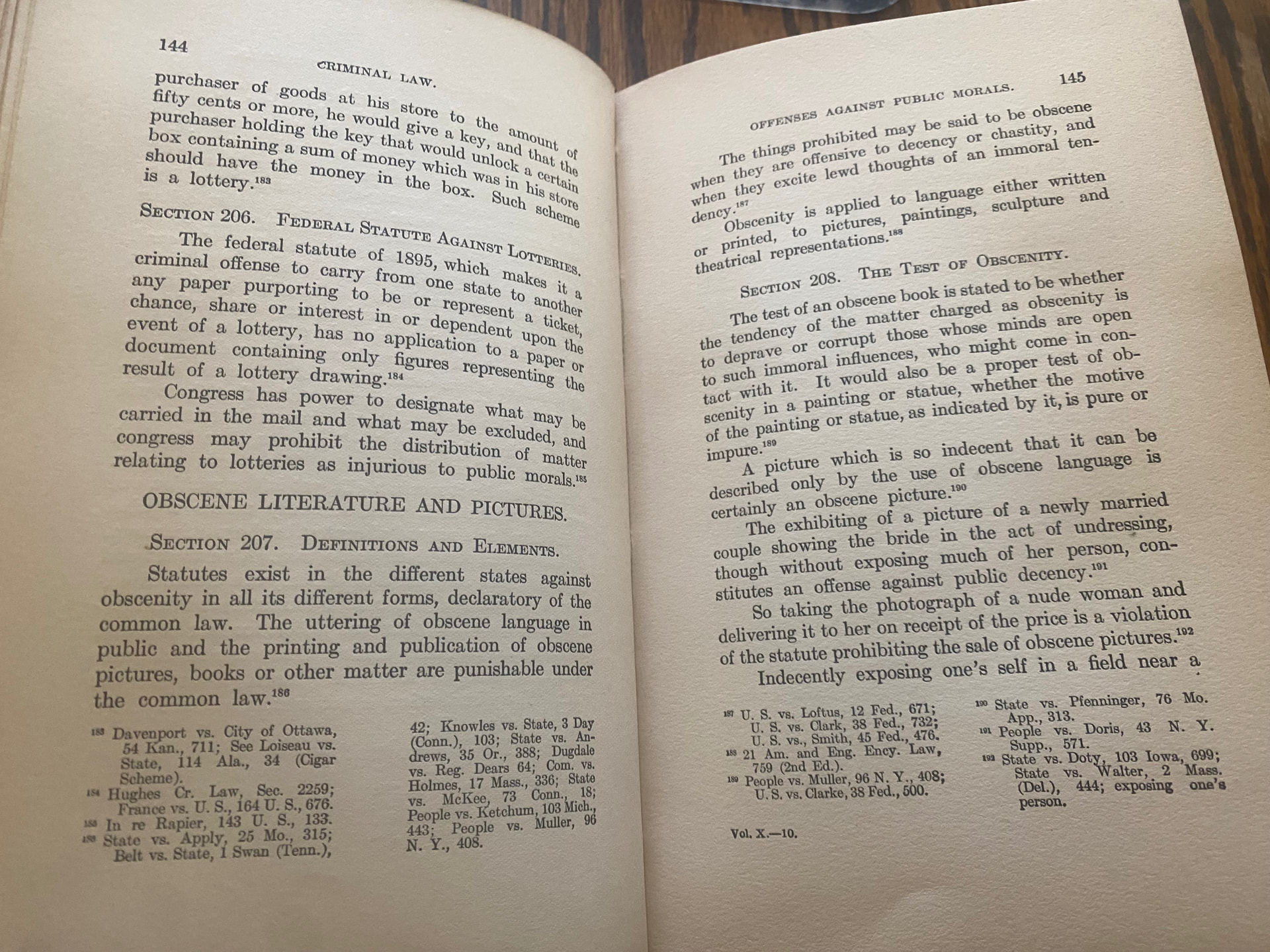
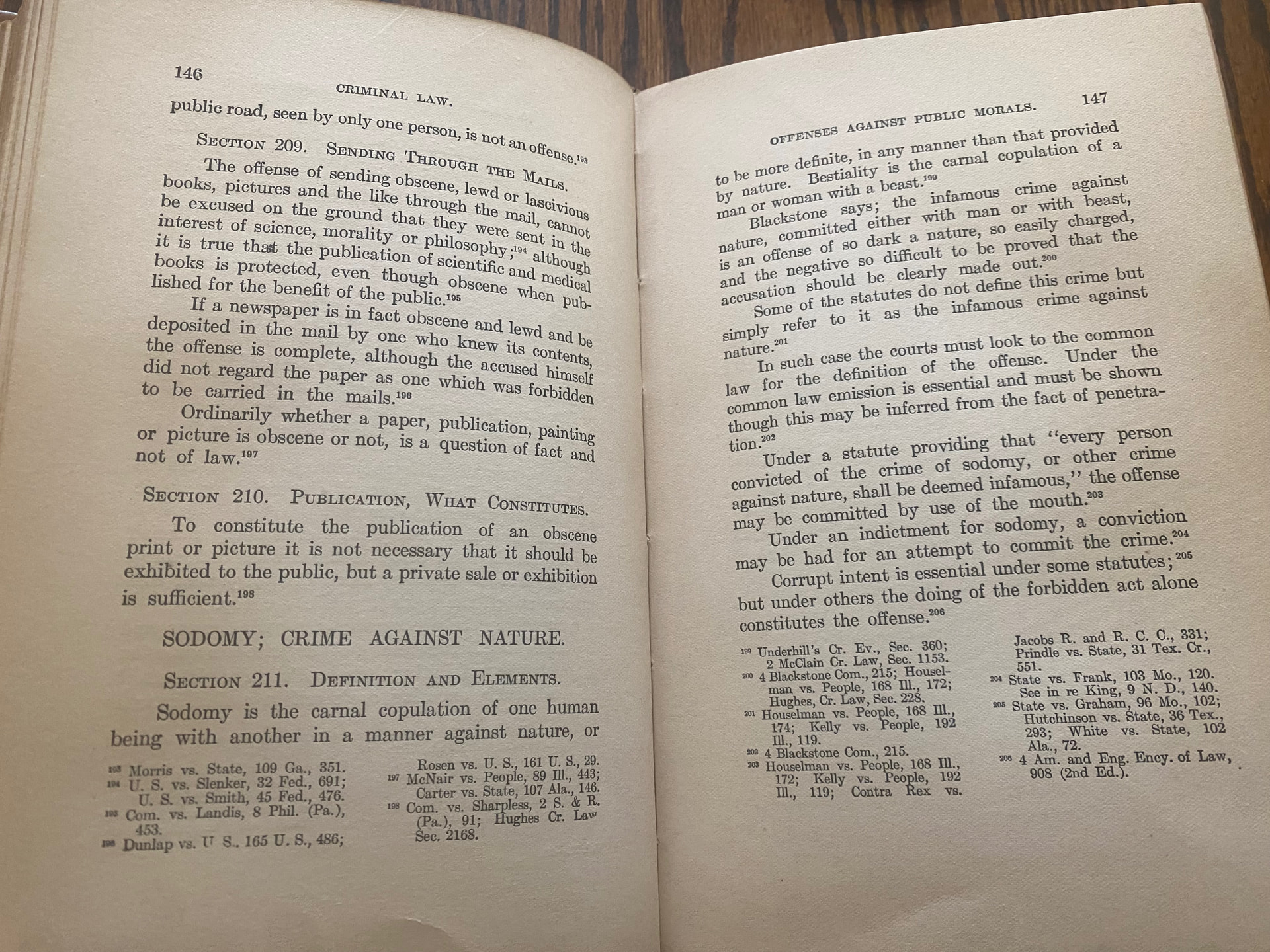
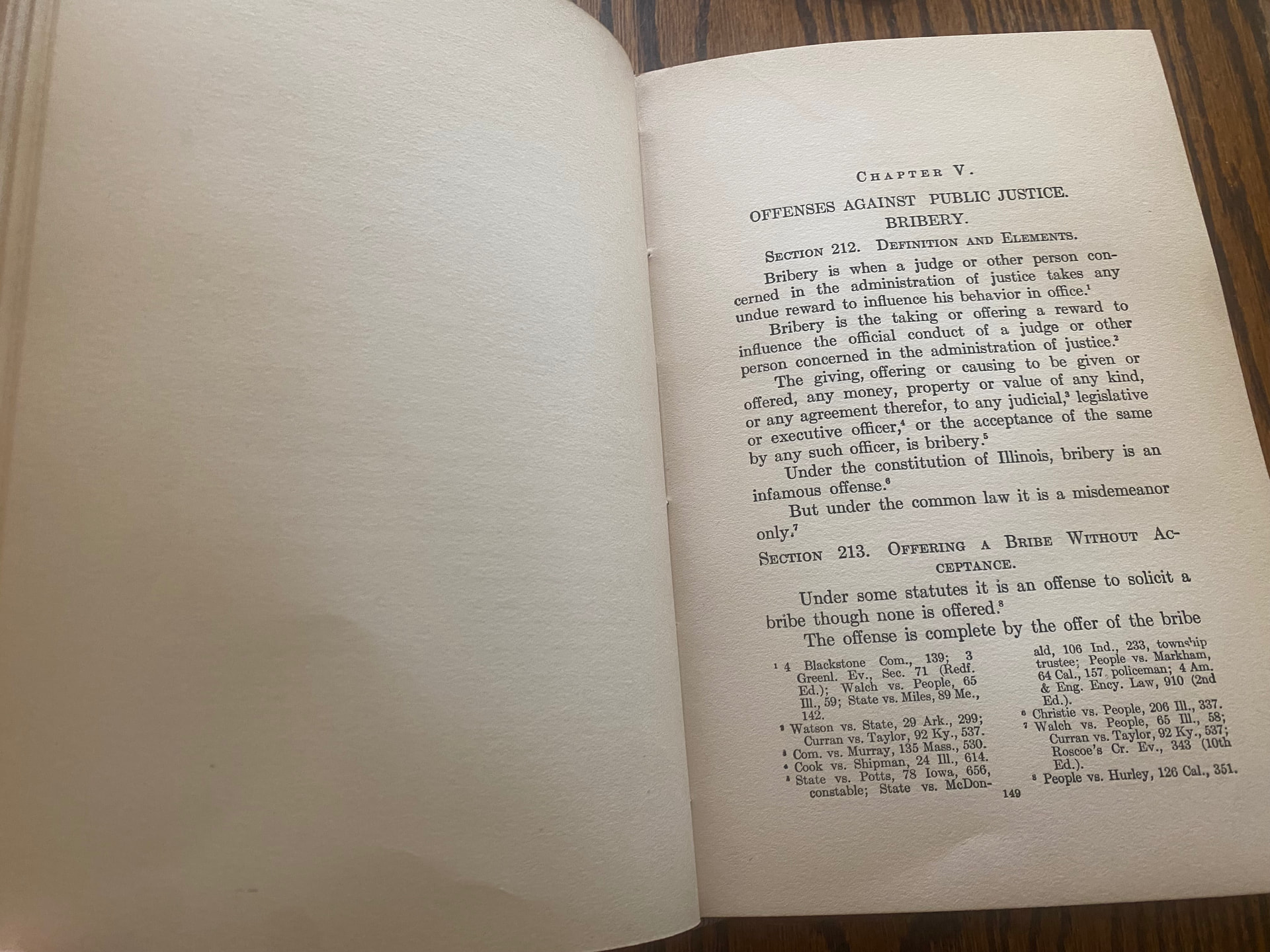
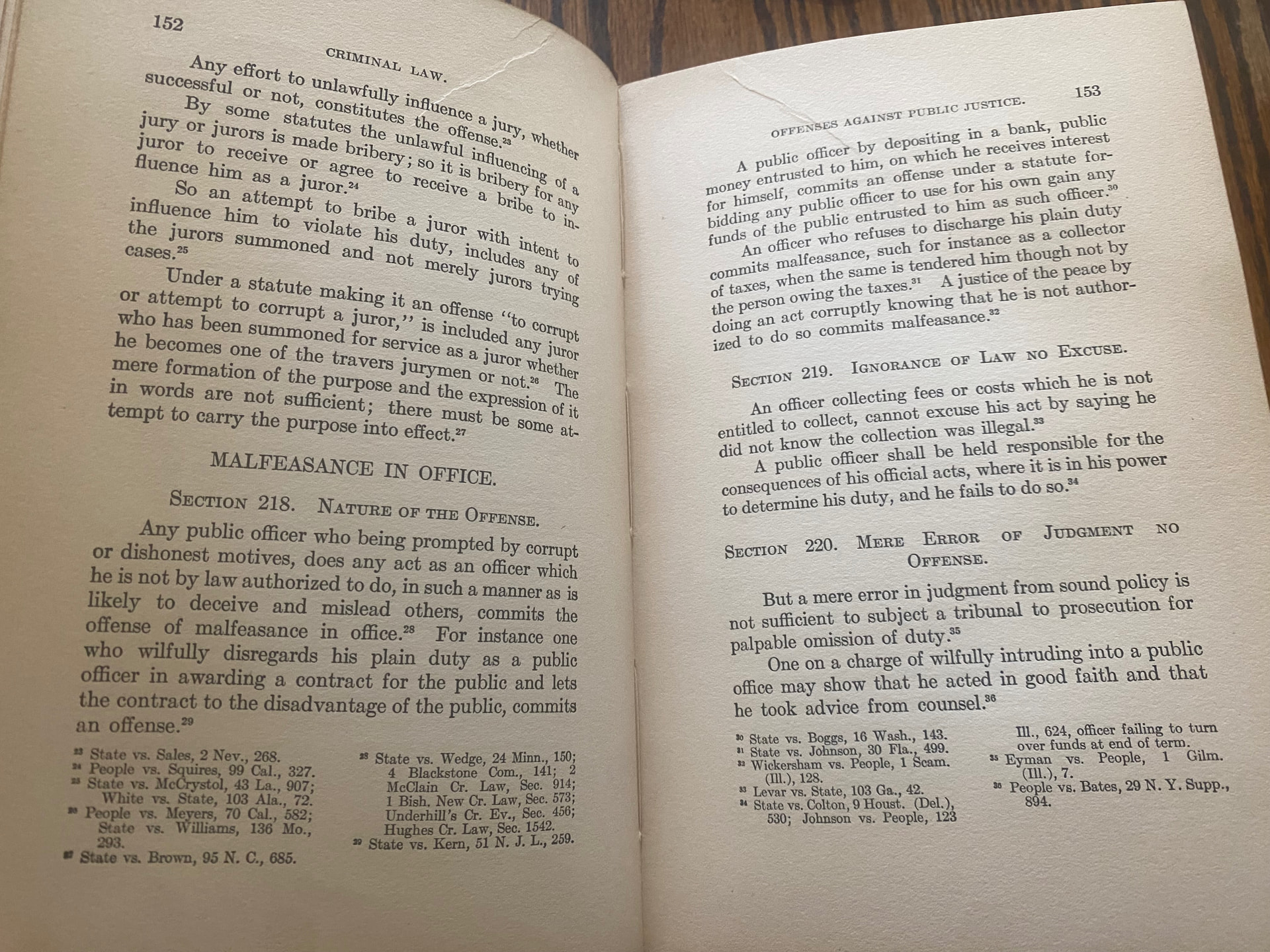
In Illinois, though they ALSO are equally bound by the law, repugnancy, severability, and God-given right:
Marbury v. Madison (1803)
Norton v. Shelby County (1886)
Murdock v. Pennsylvania (1943)
Shuttlesworth v. City of Birmingham, 394 U.S. 147 (1969)
Simmons v. United States (1968)
Sherar v. Cullen (1973)
1819 (First Marriage Act)
1899 (The Jooks v. Jooks Case)
Though MARRIAGE requires not a witness save God, is this not so?
God-given right BINDING KJV:
All men are created equal, that they are endowed by their Creator with certain unalienable Rights, that among these are Life, Liberty and the pursuit of Happiness. (Decl. of Ind.)
See also: