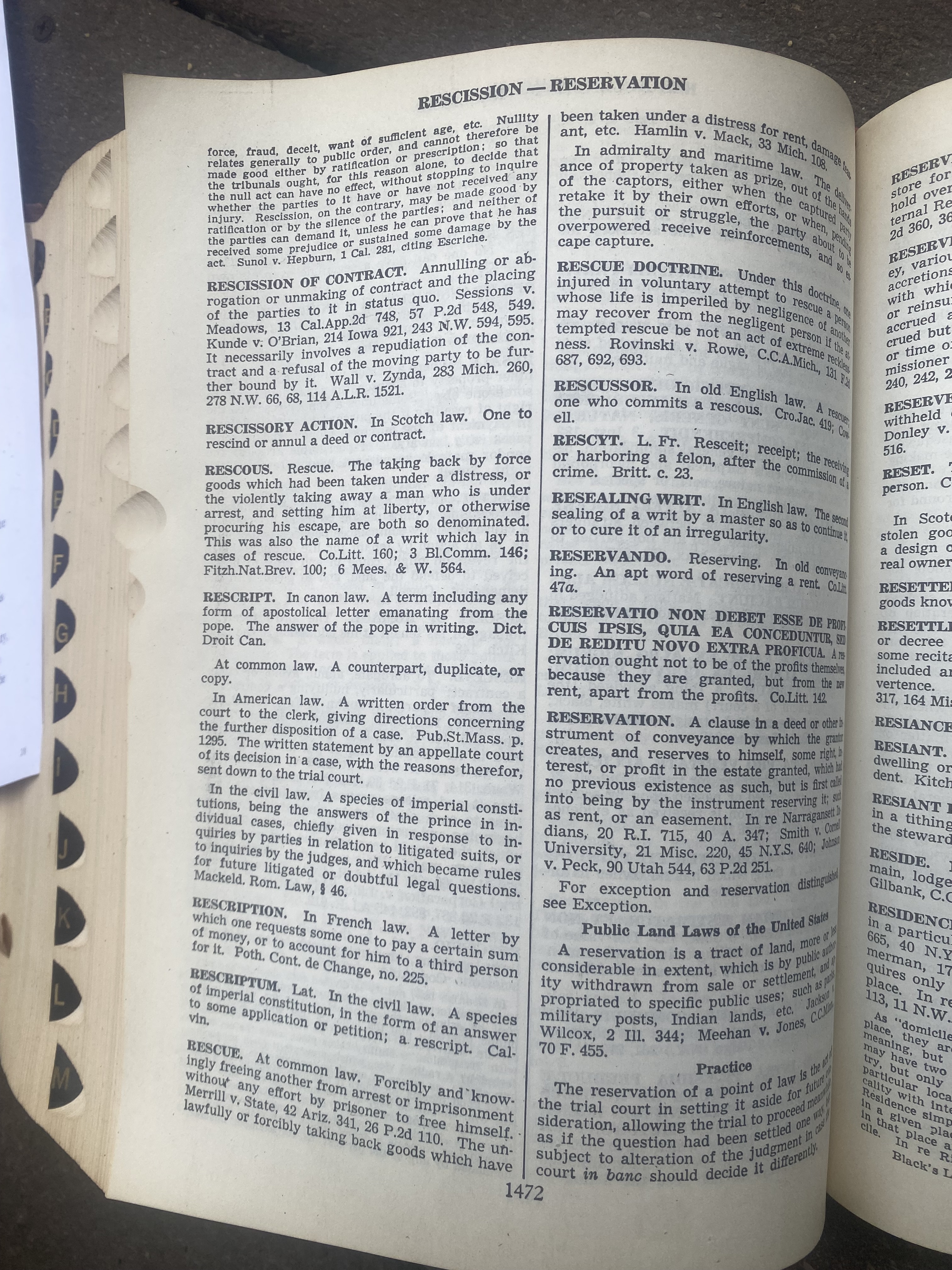
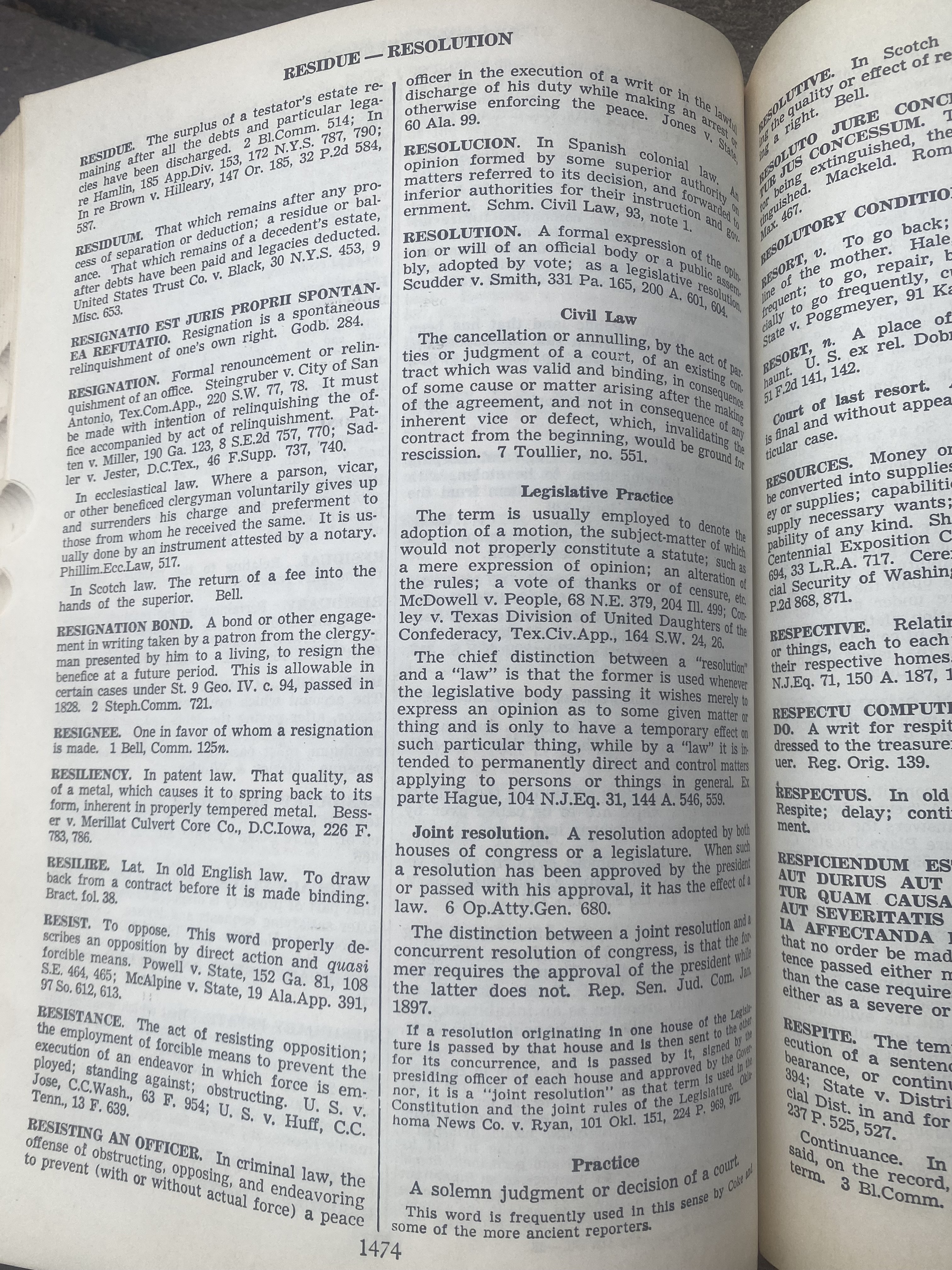
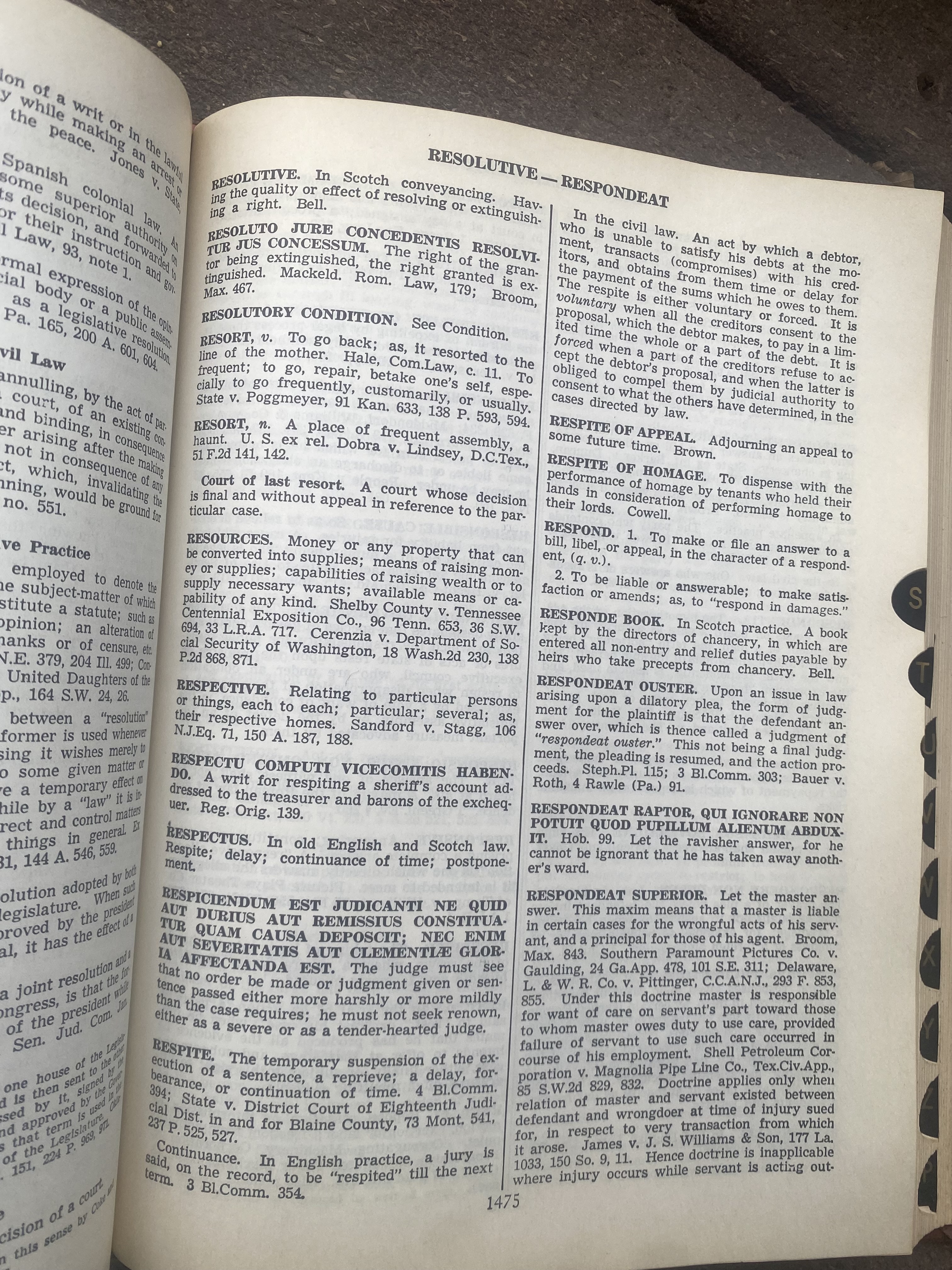
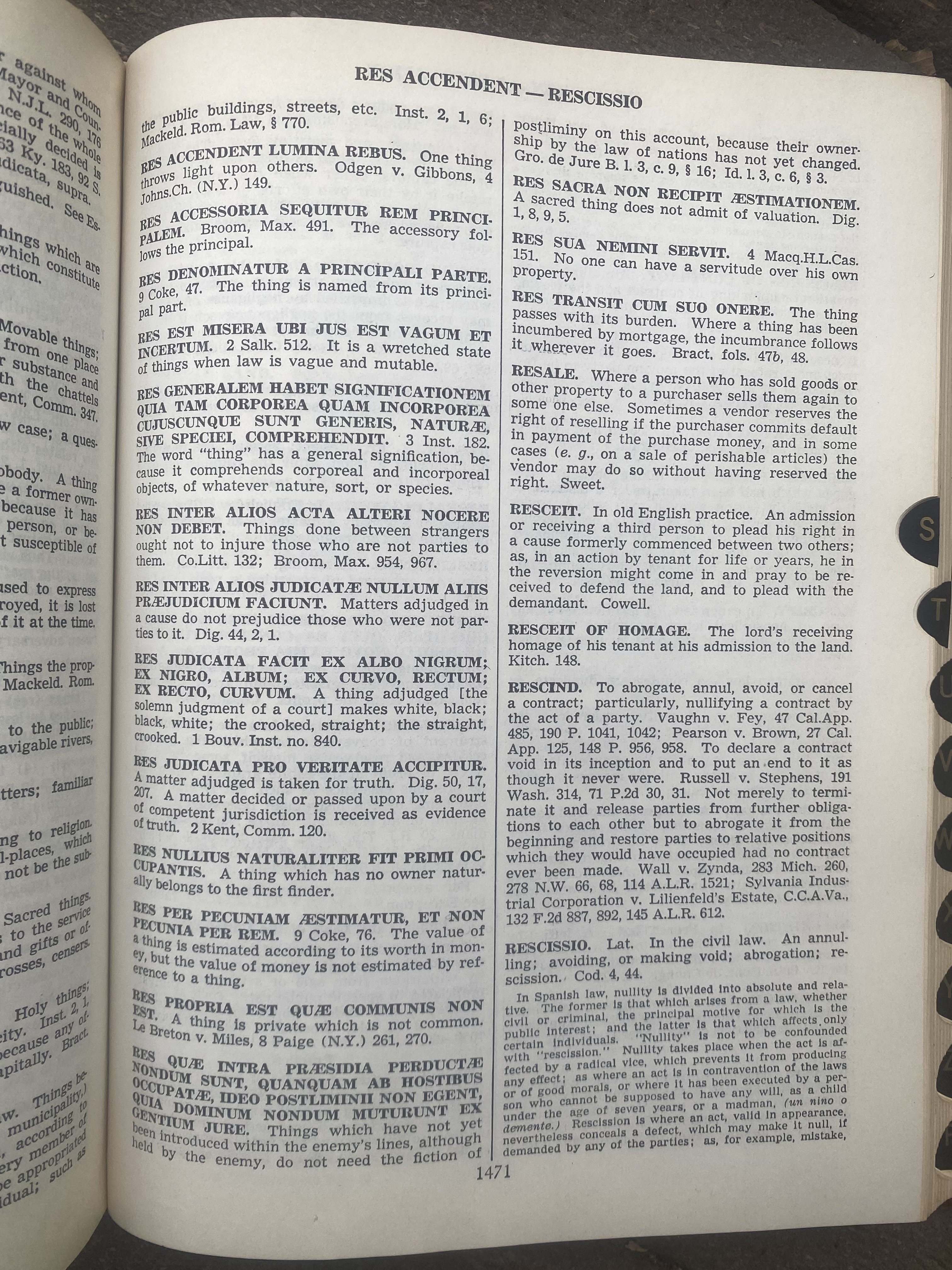
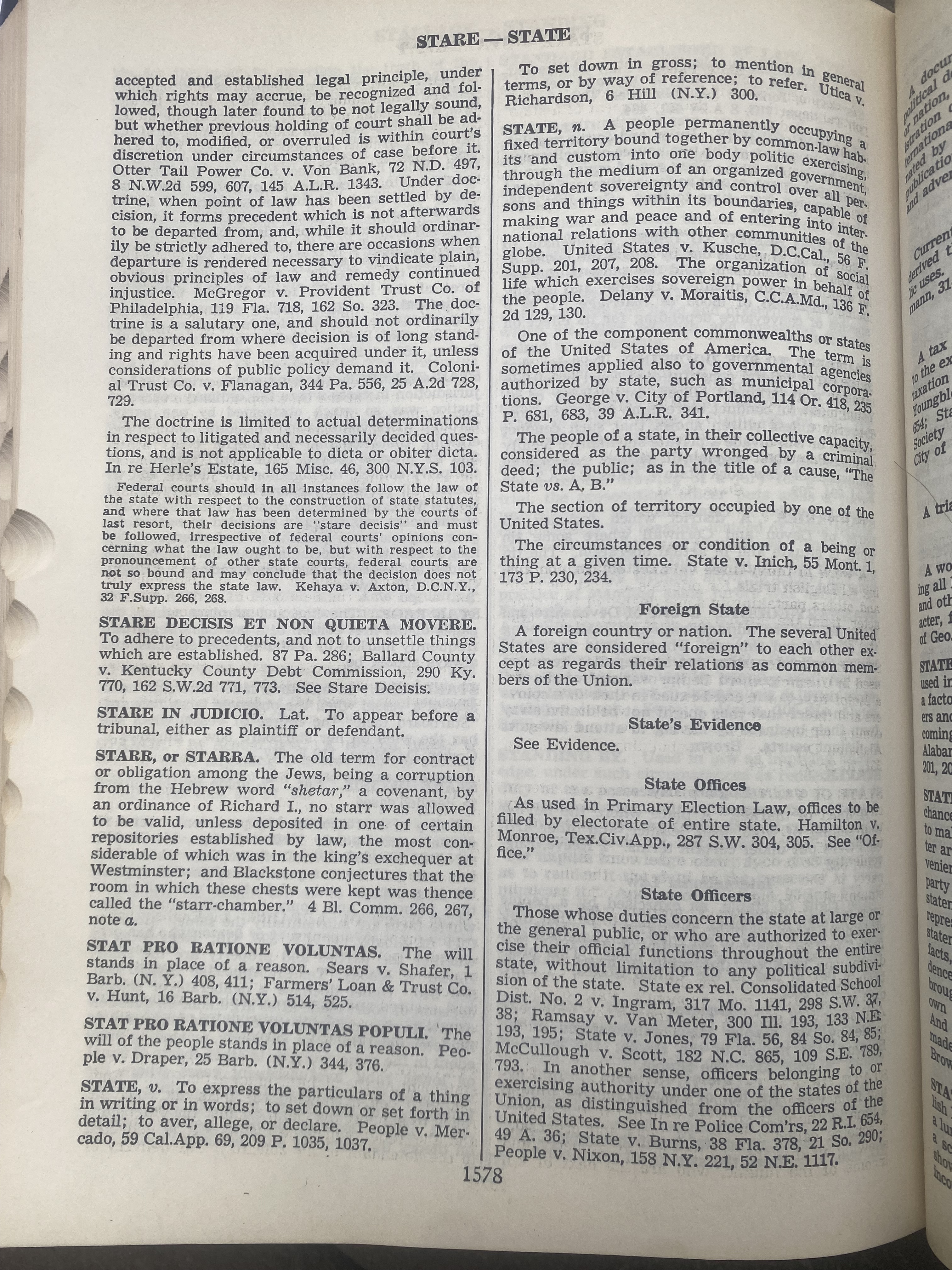
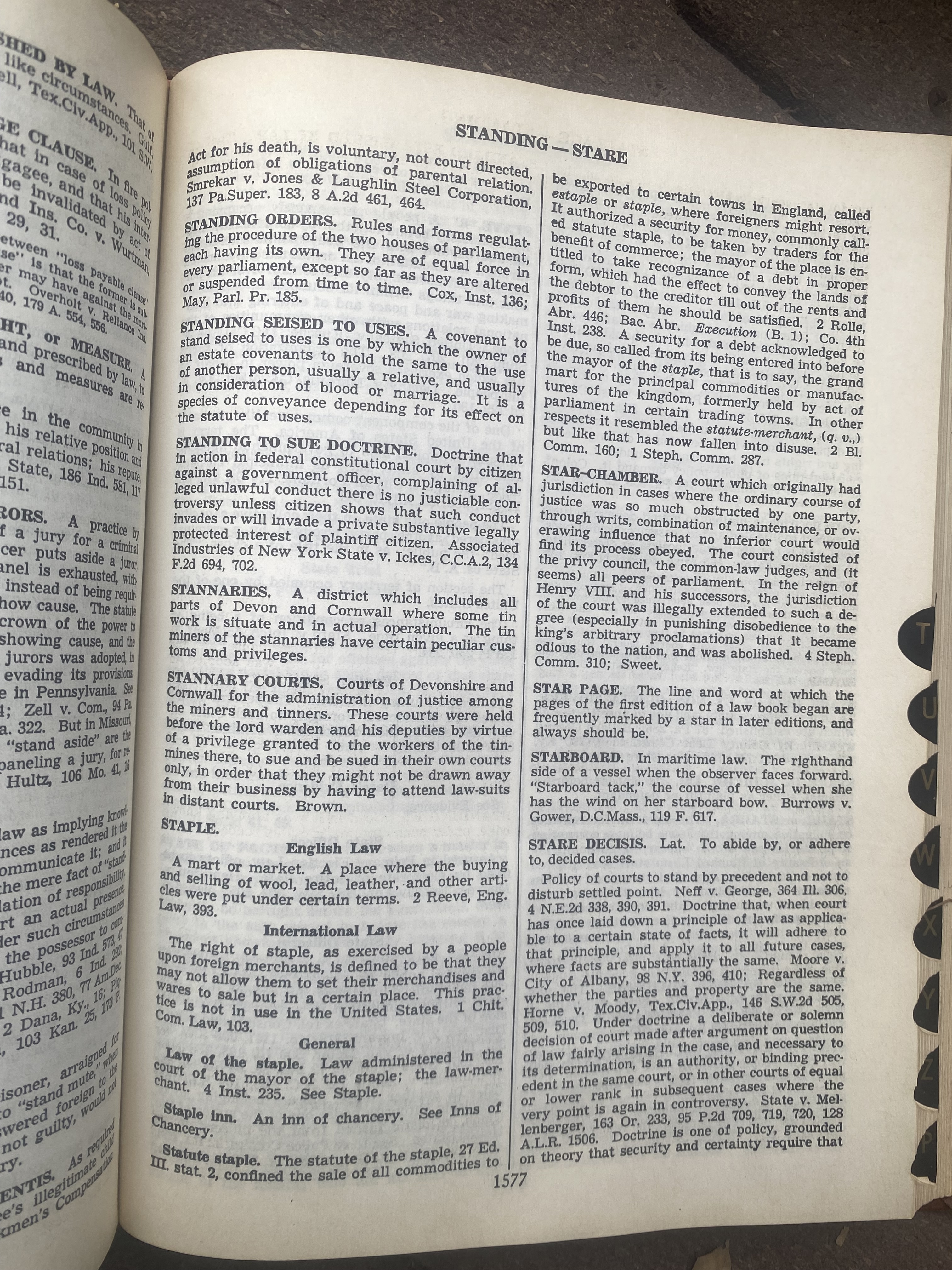
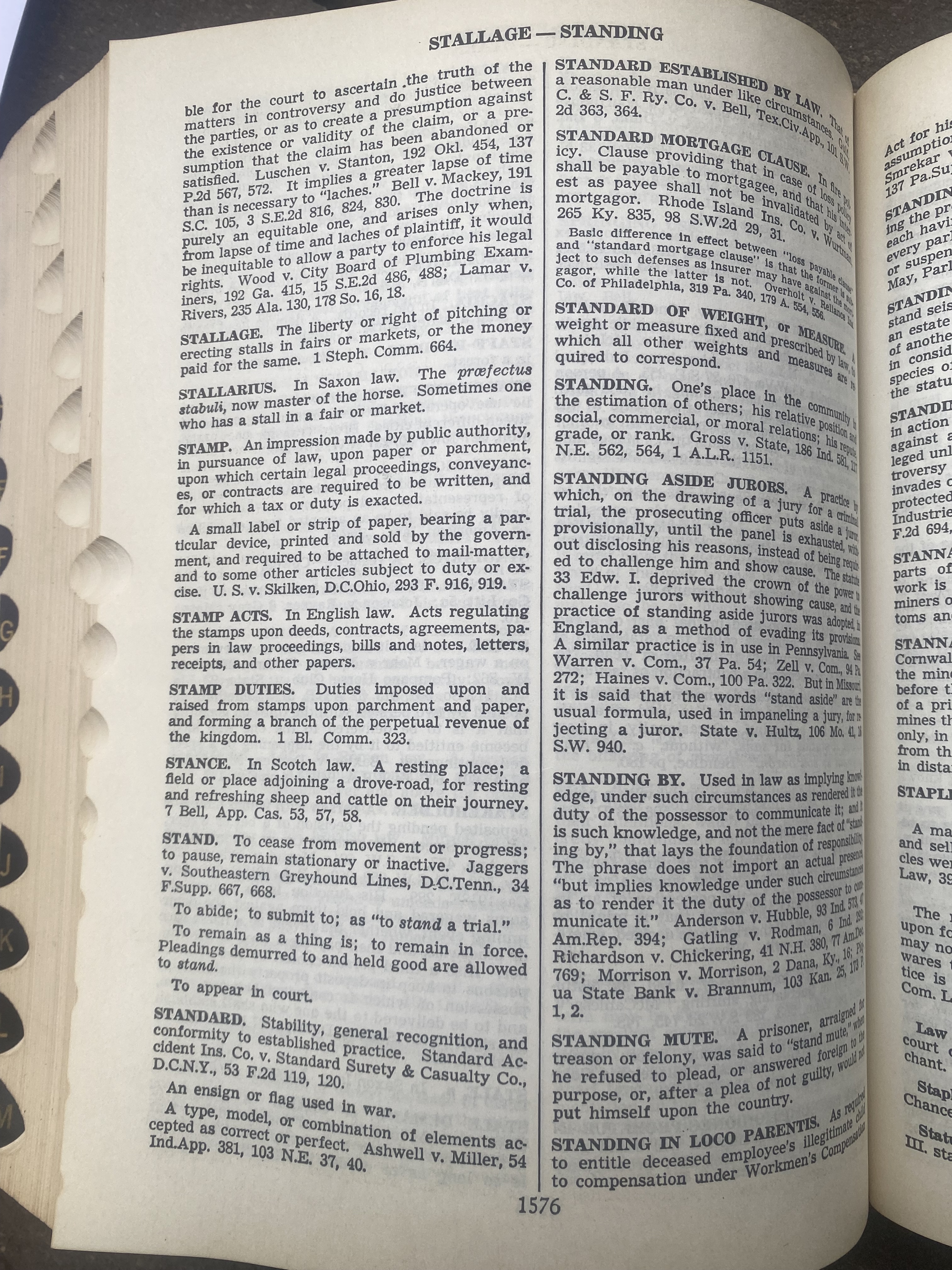
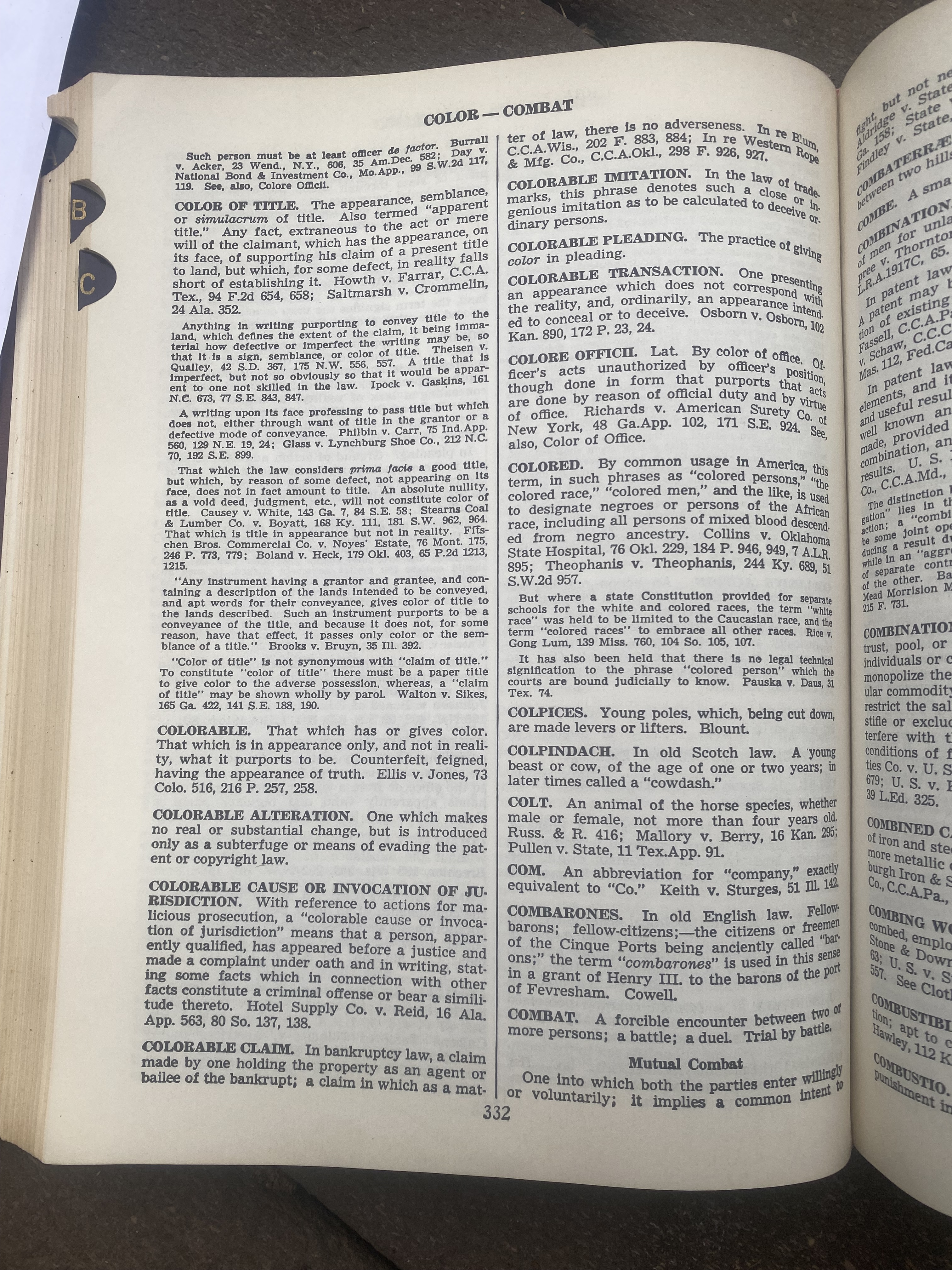
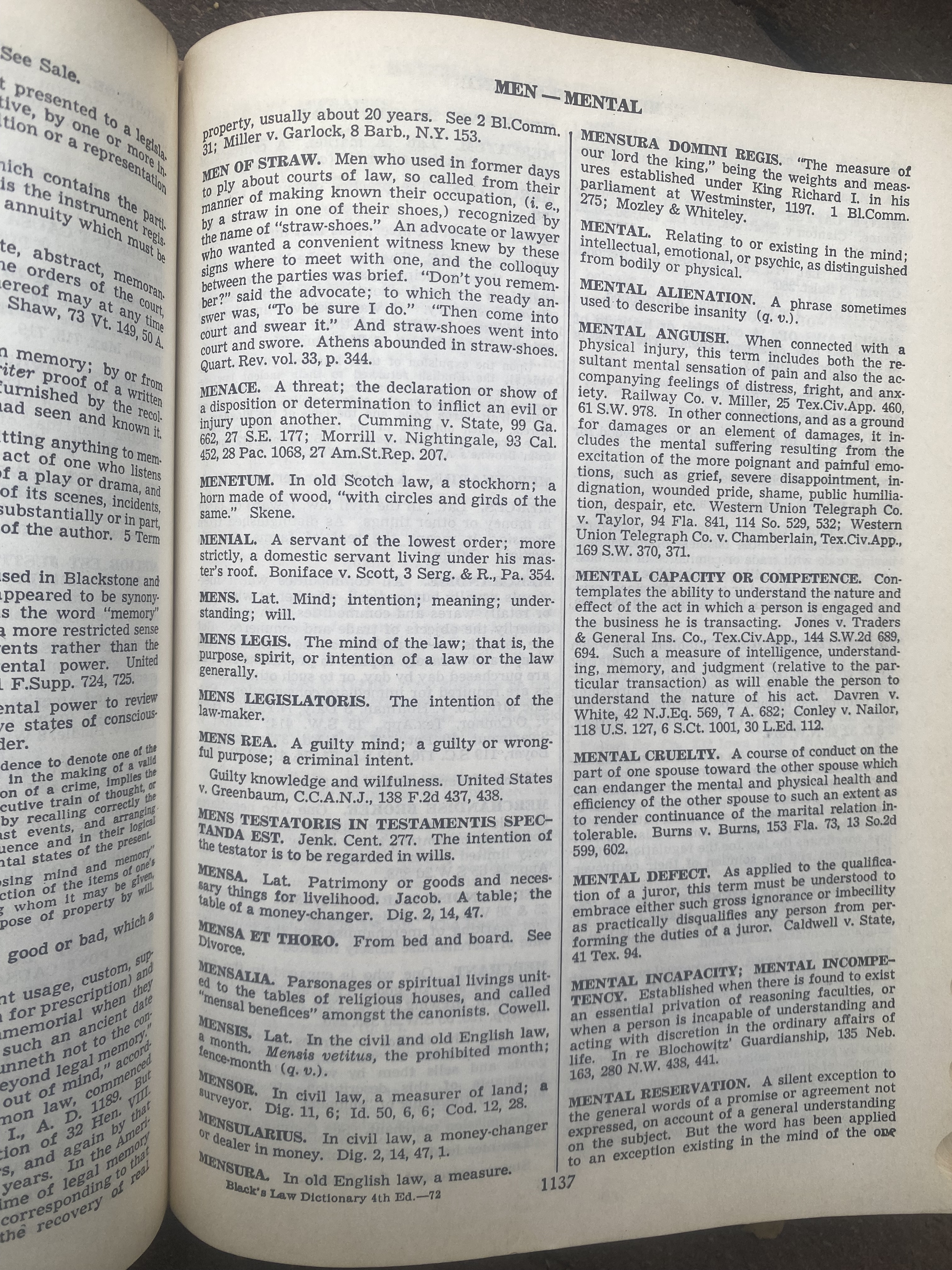
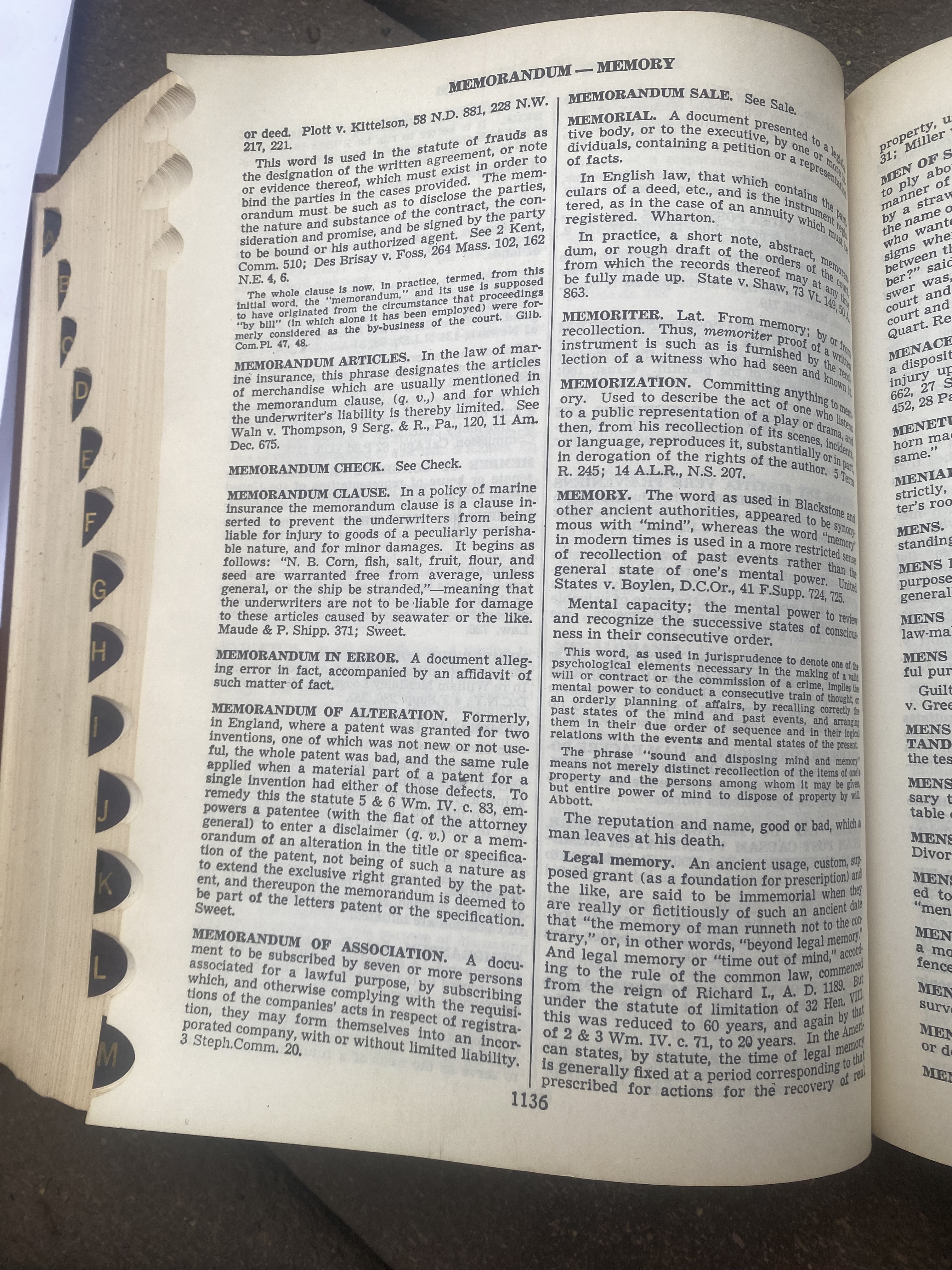
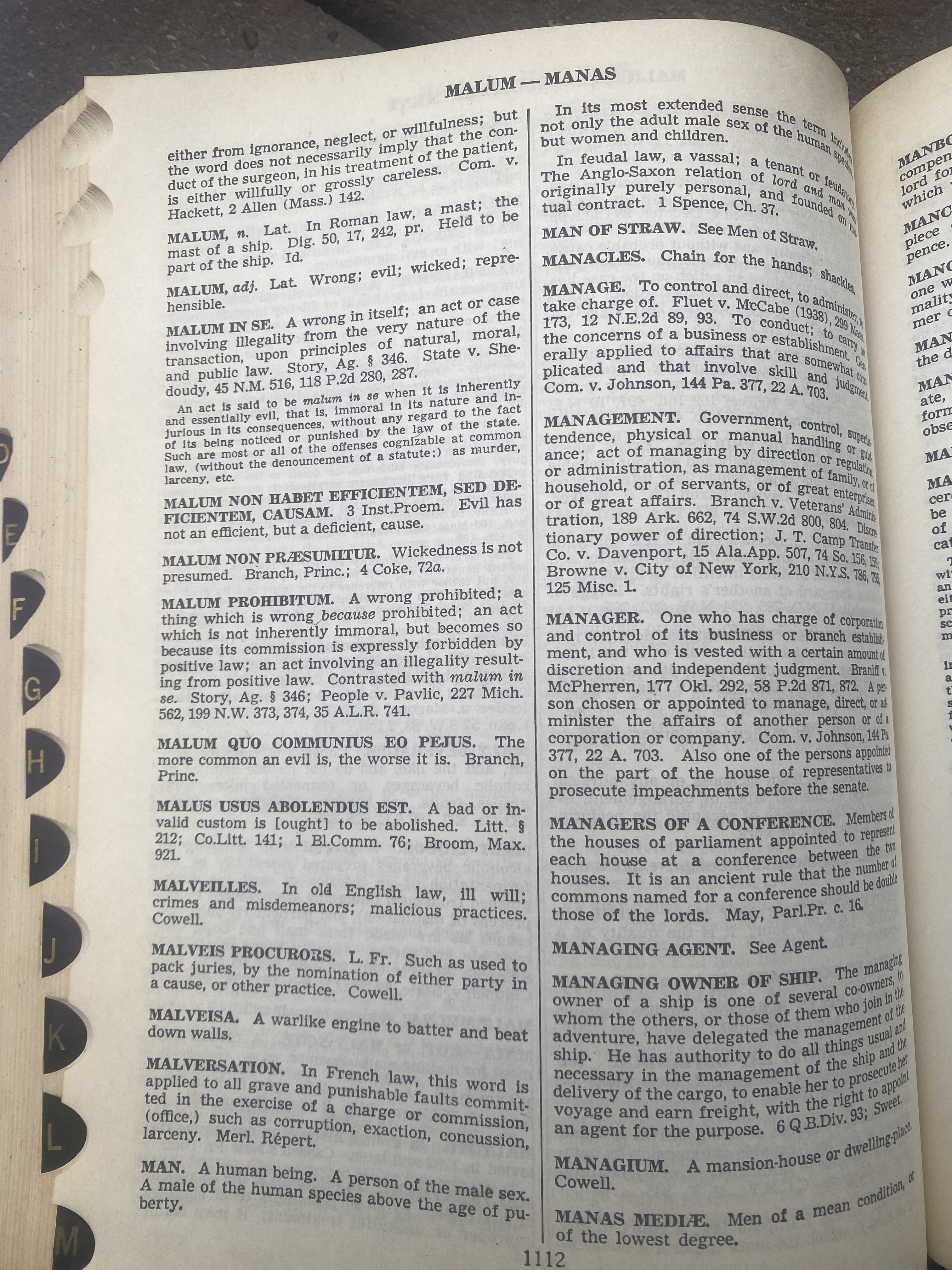
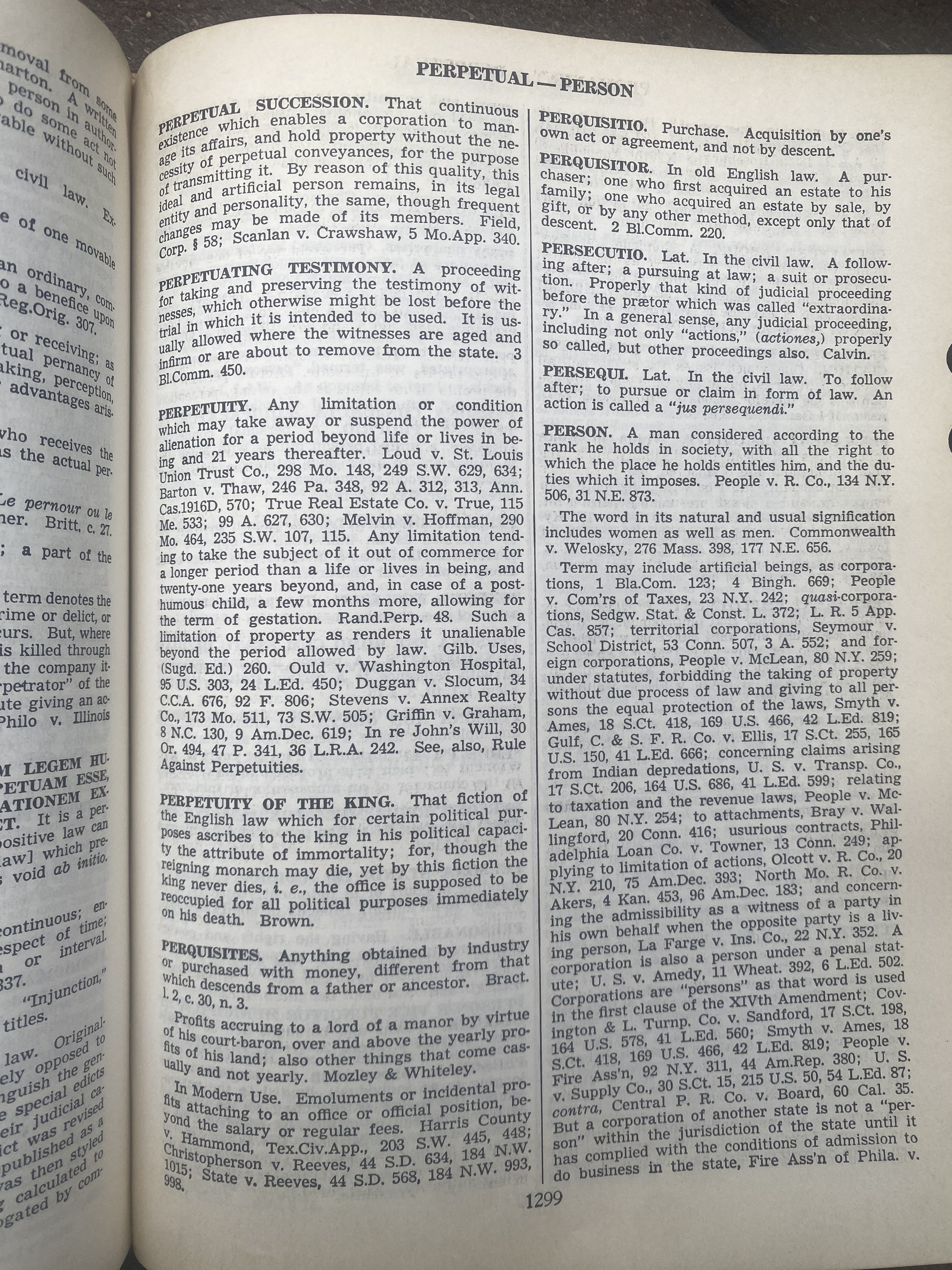
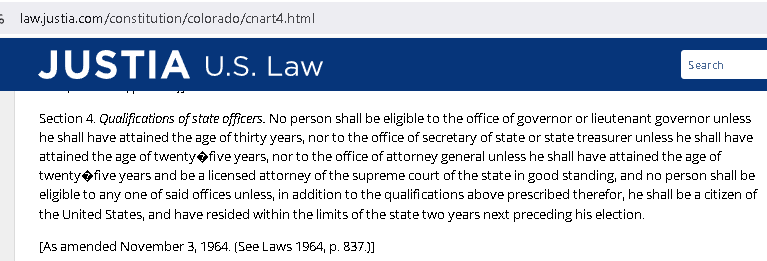
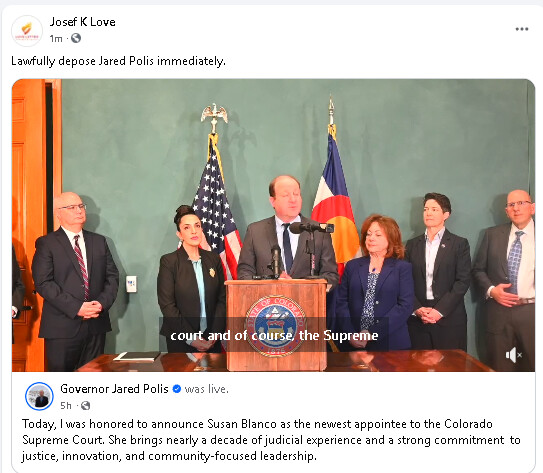
What is a glass ceiling for grassroots leadership? Is it lawful (as distinct from legal)? Wait a minute… is this “a club, and you’re not in it?” George Carlin.
And just what happens if one ignores a statute which is unlawful? Will one carry out each right with impunity, live in fear in so doing, or both? It’s both. That’s one of many reasons they call it violation, is it not? What is repugnancy per law? Well, it’s not both when the judiciary is corrupt, now is it?
If one writes a letter addressing this and these concerns in order to run anyway, will this letter be woefully handled as though it were void ab initio? Will this letter be used to convert that which is established a lawful impunity; or as evidence for justification of false imprisonment or like?
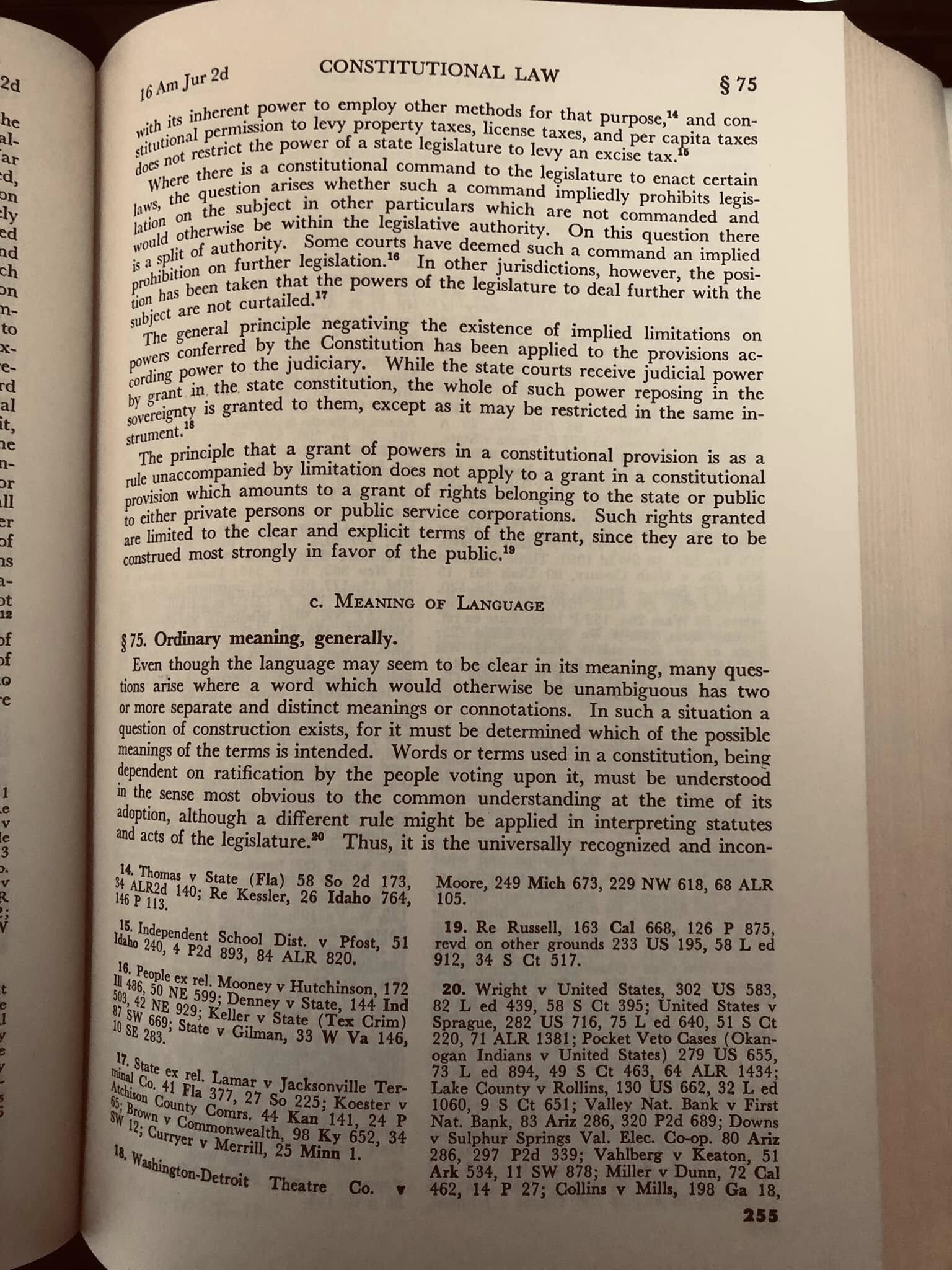
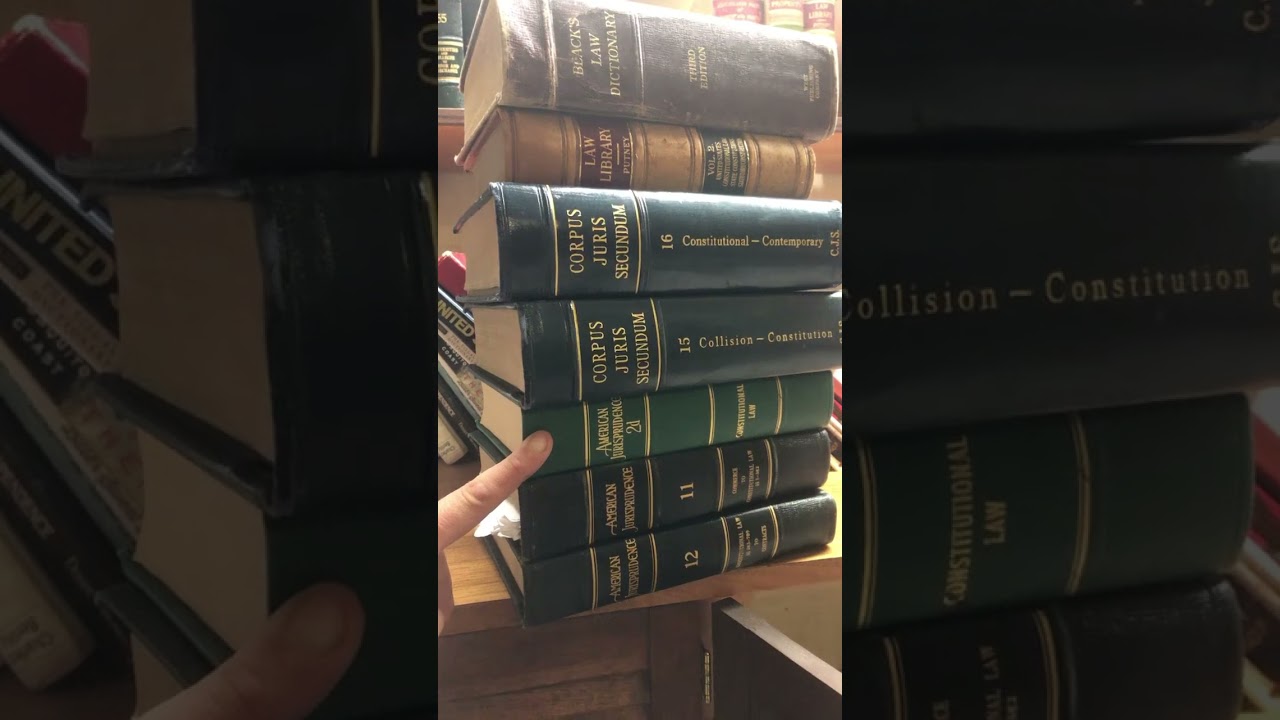
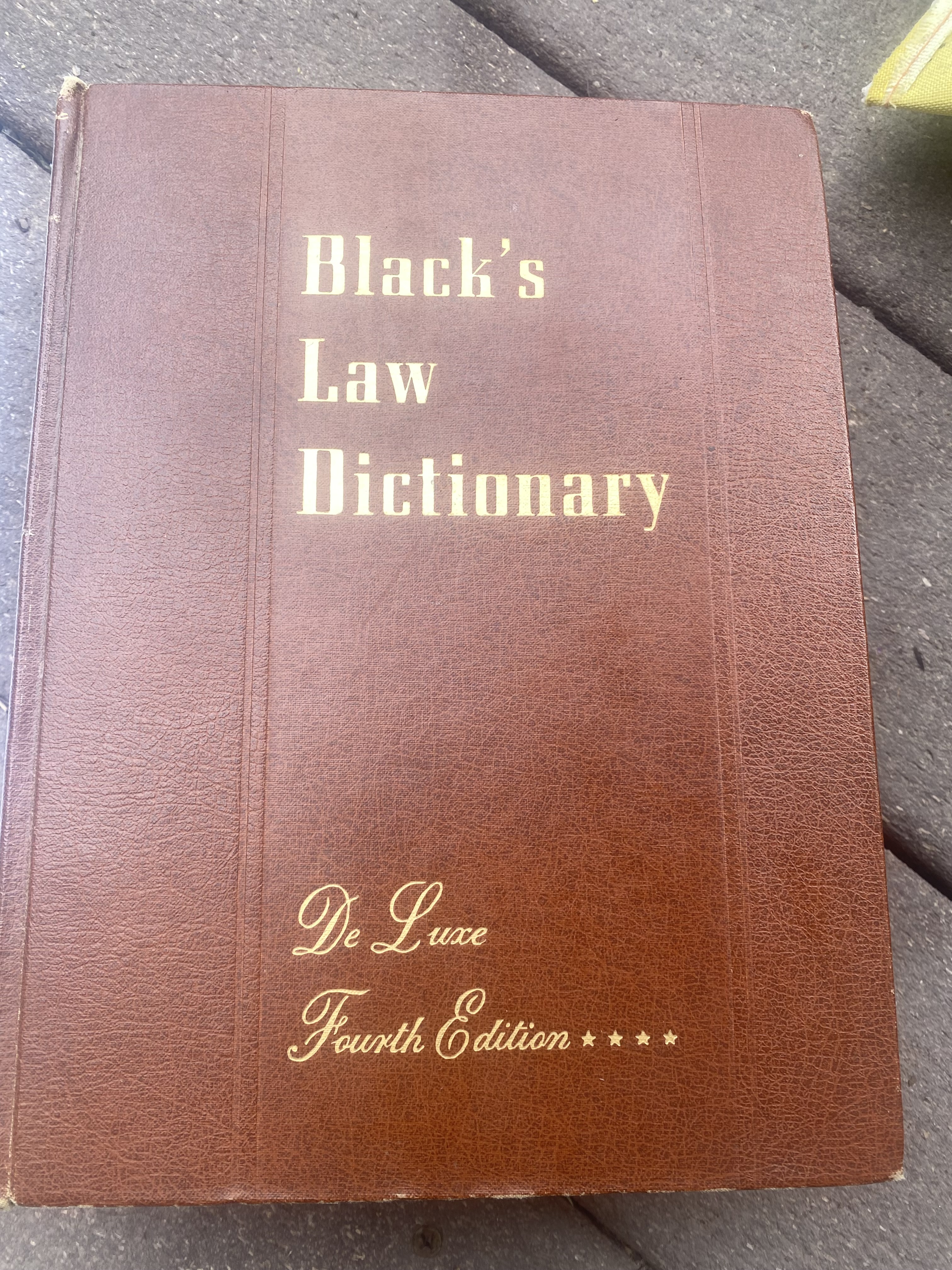
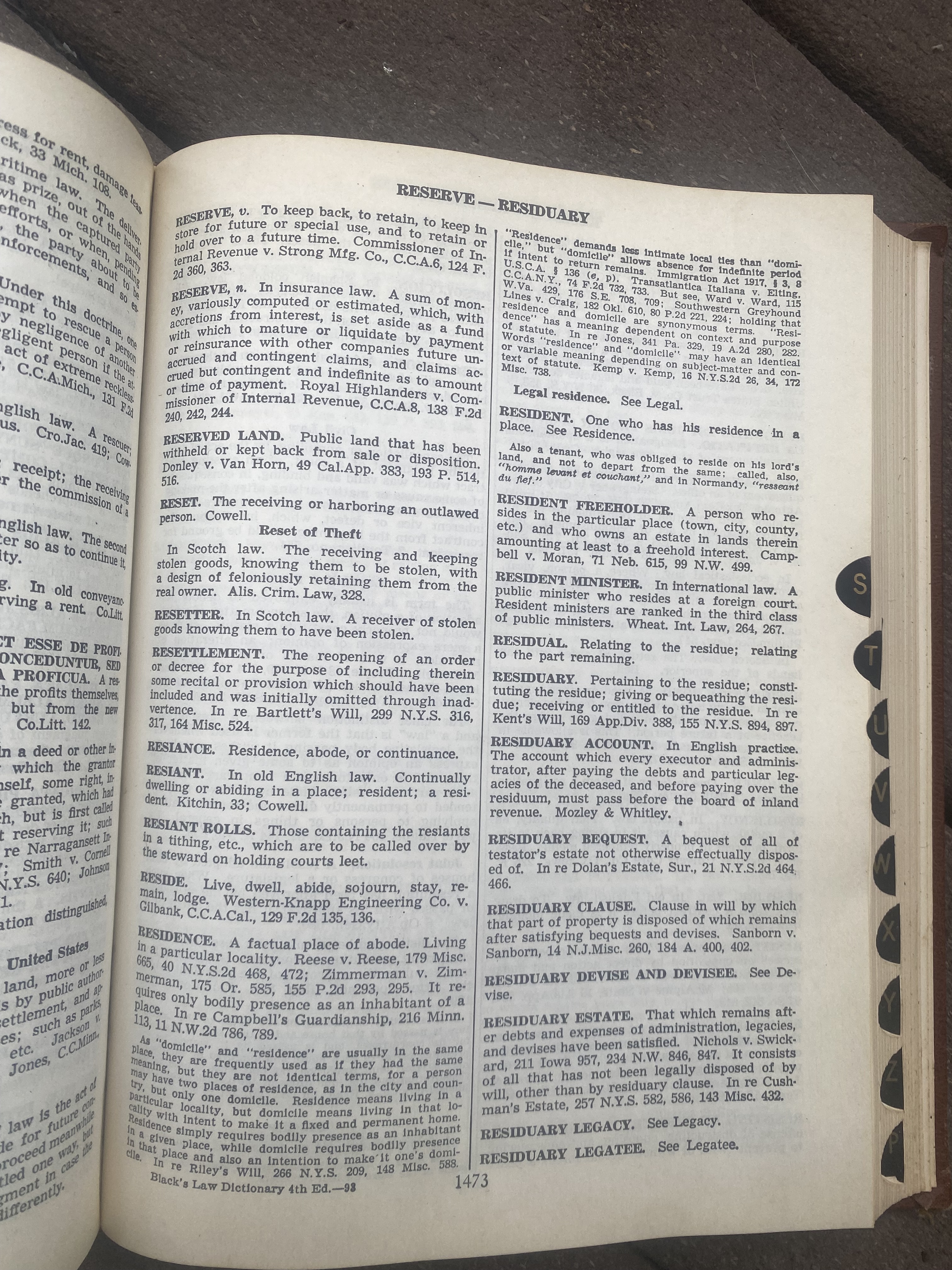
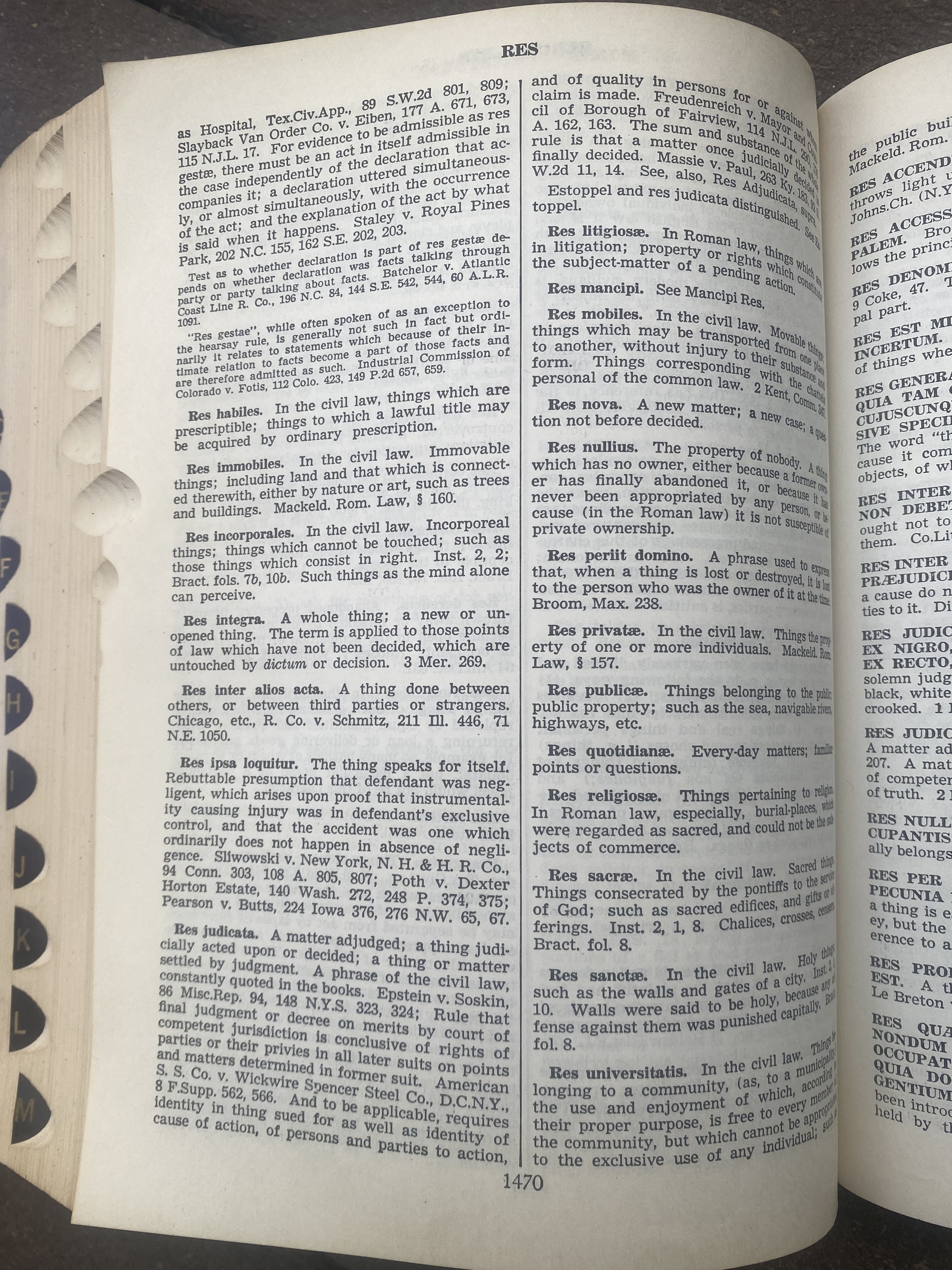
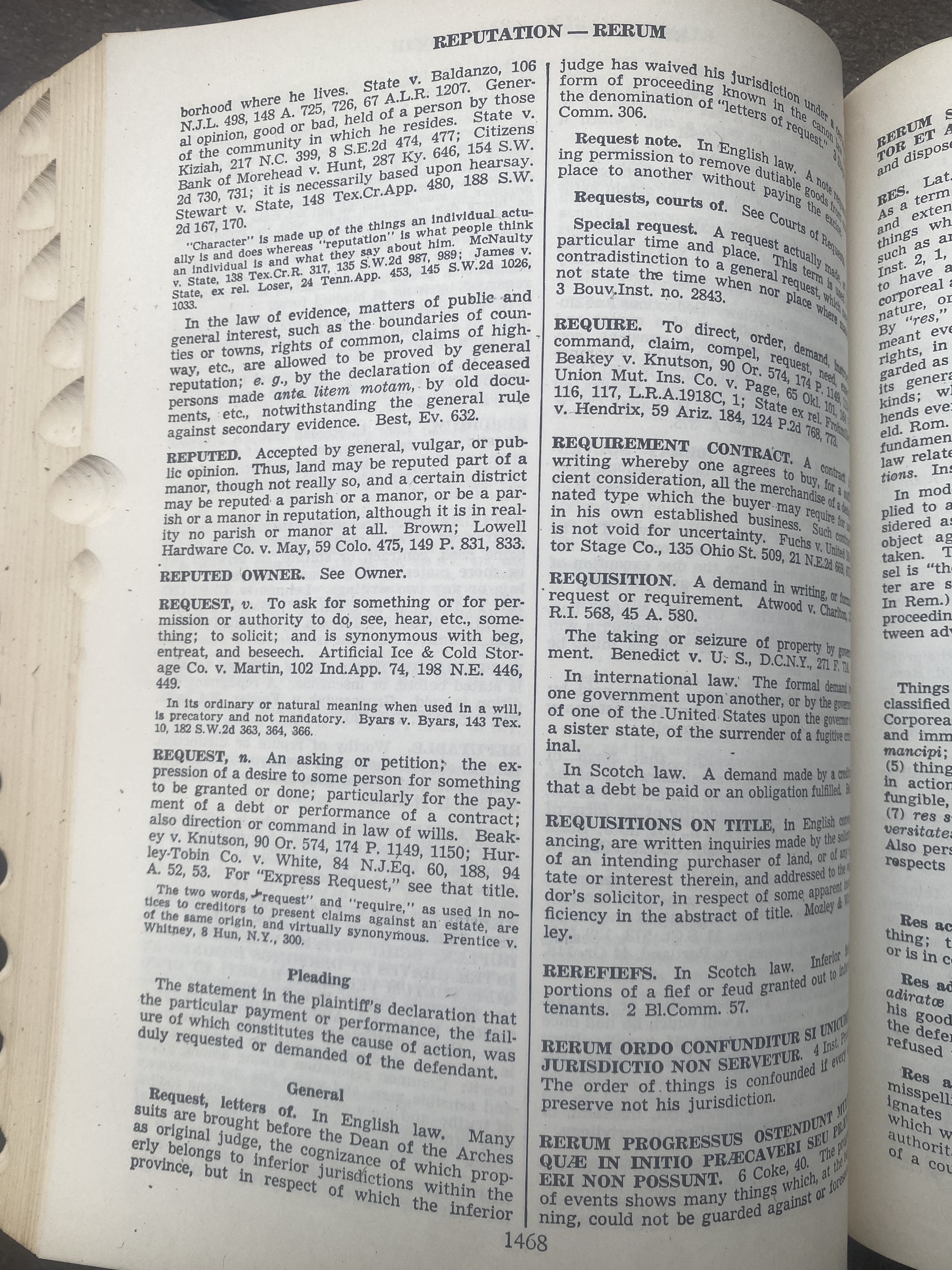
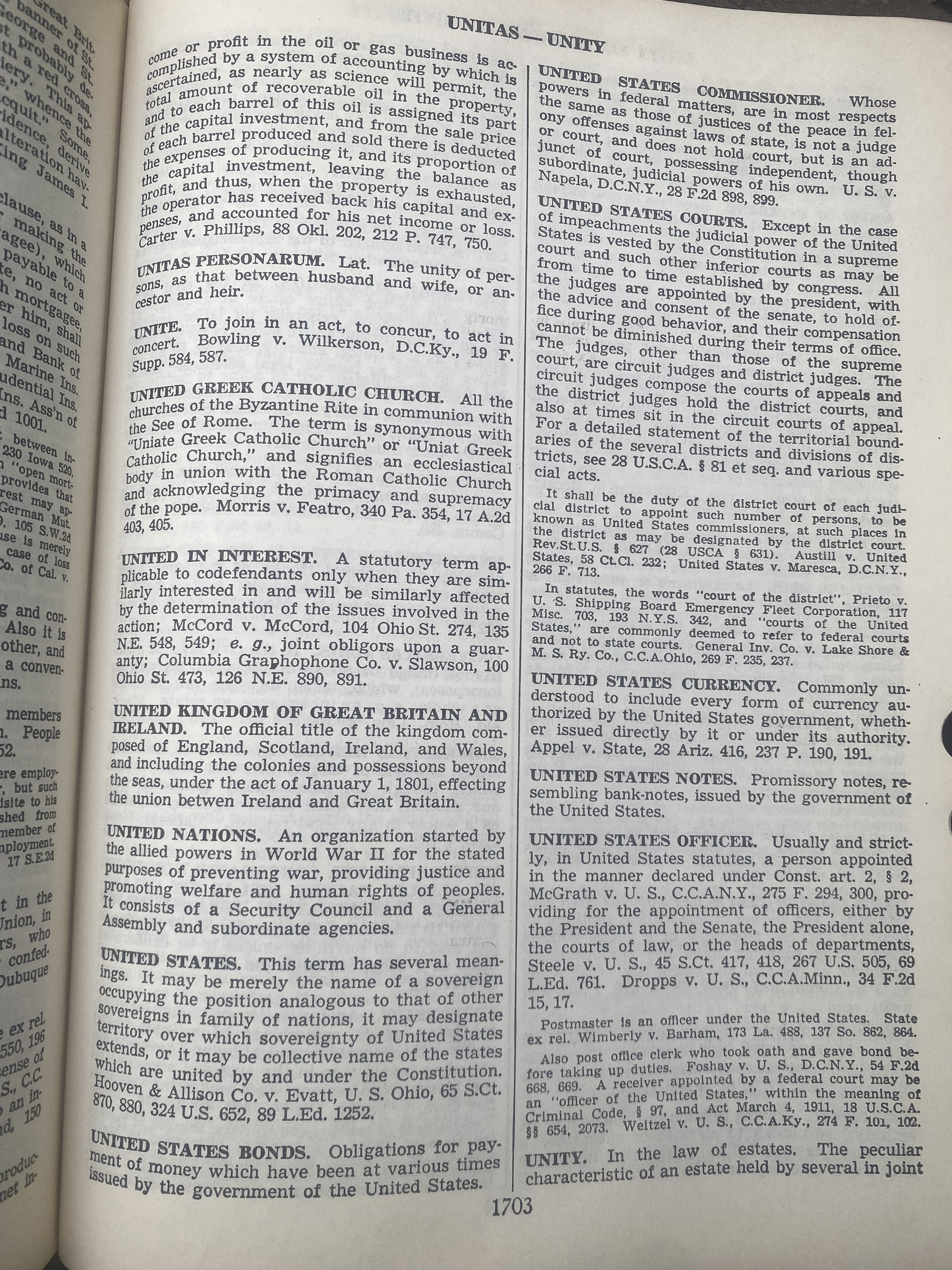
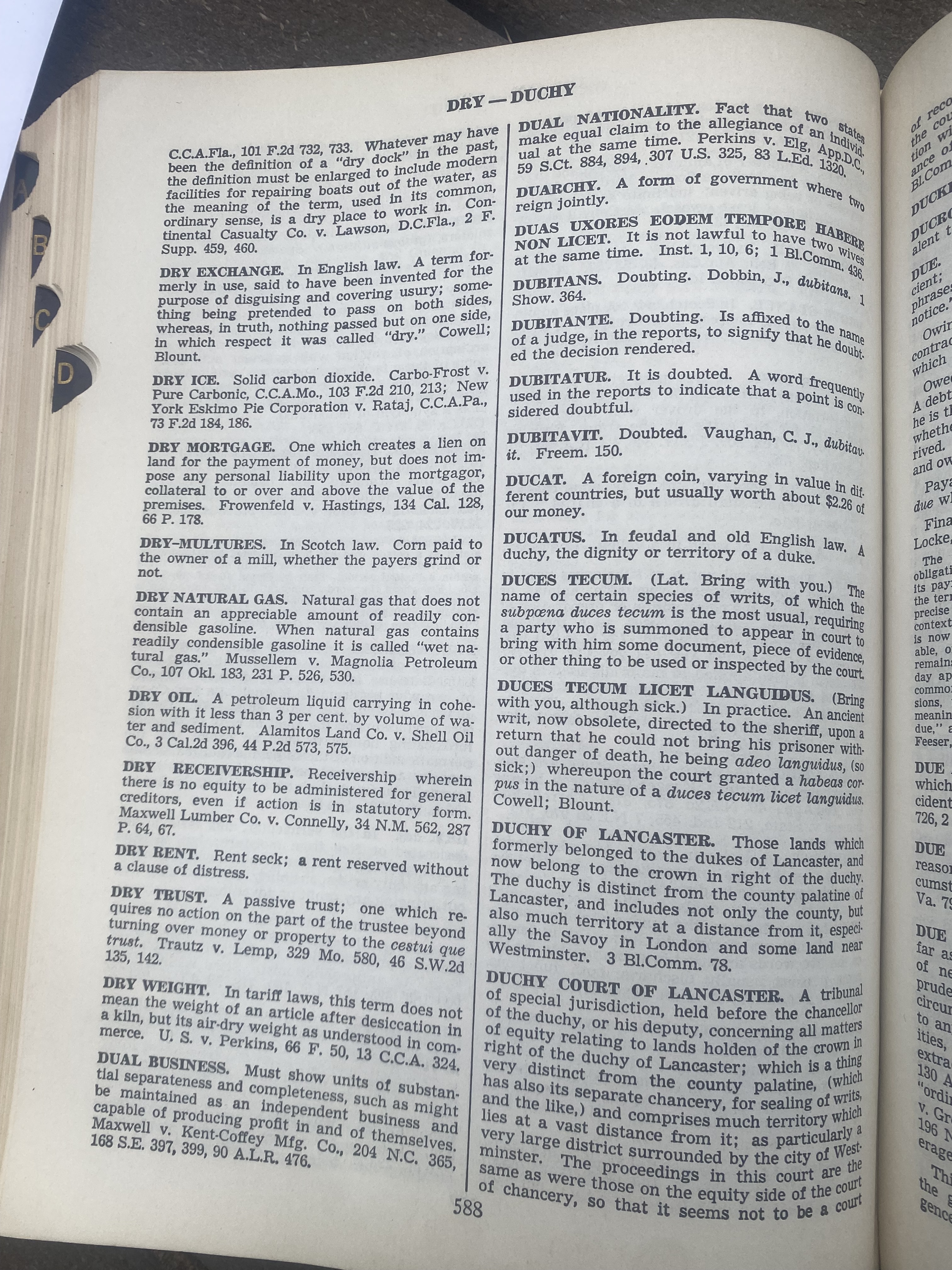
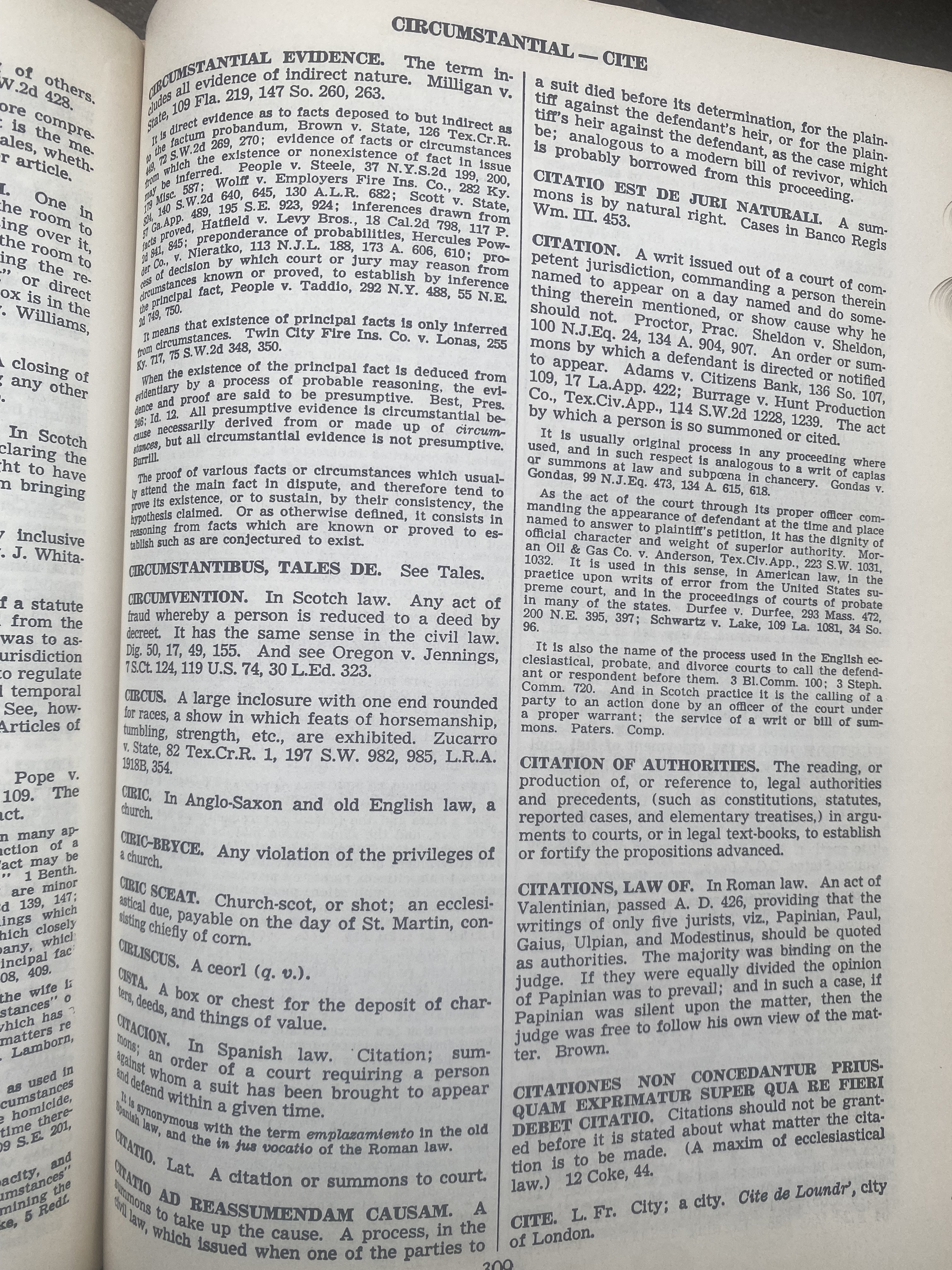
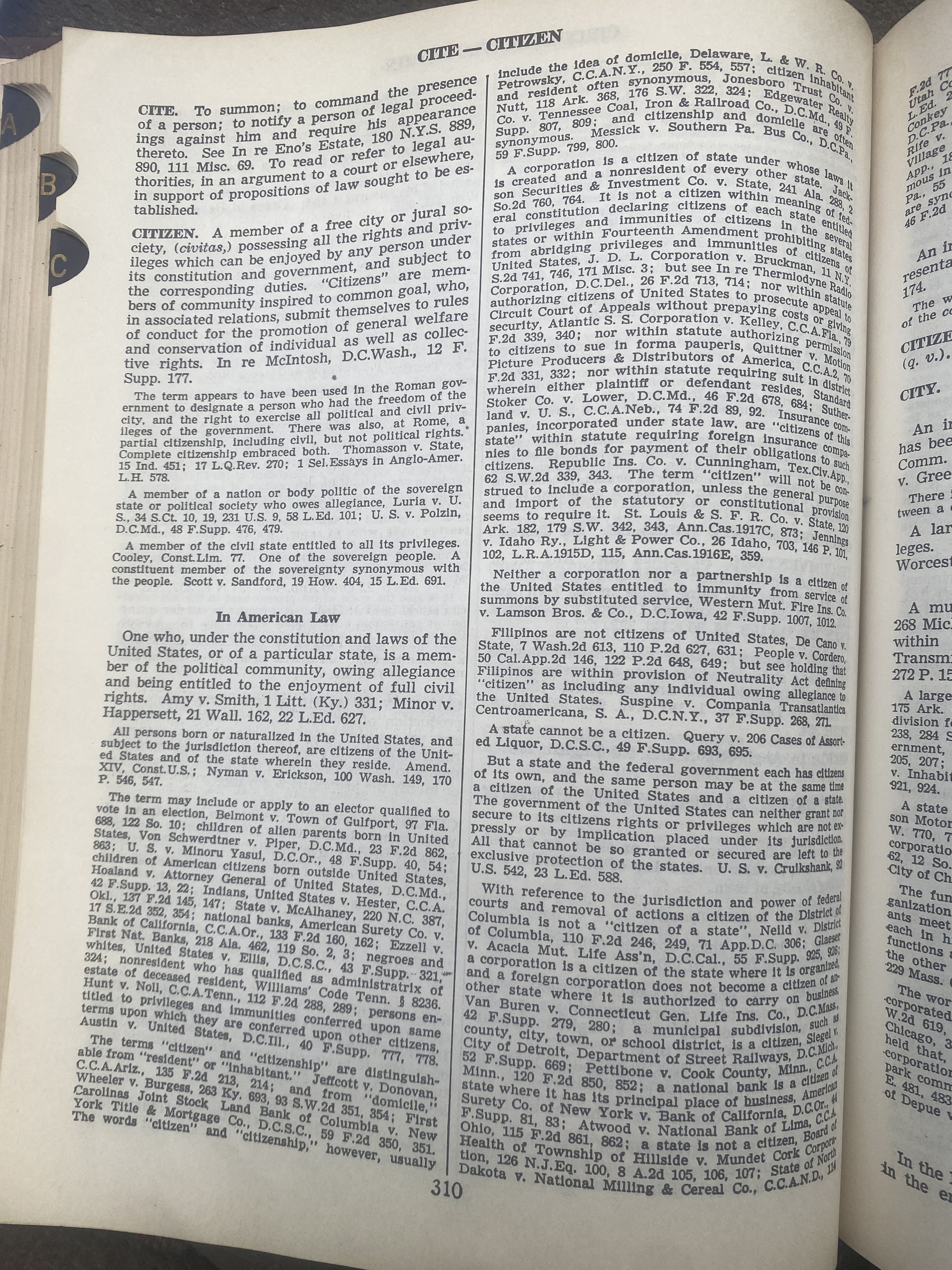
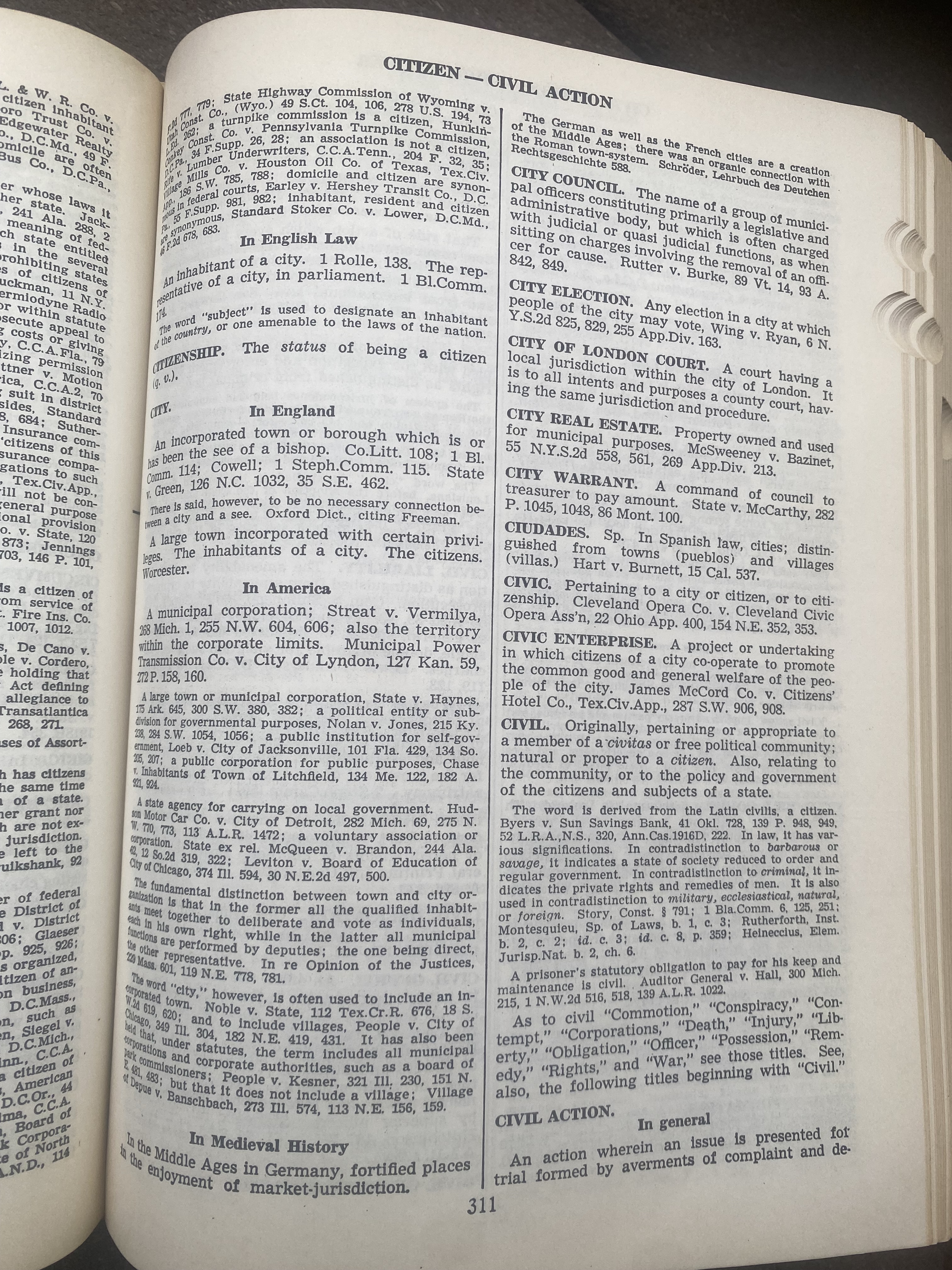
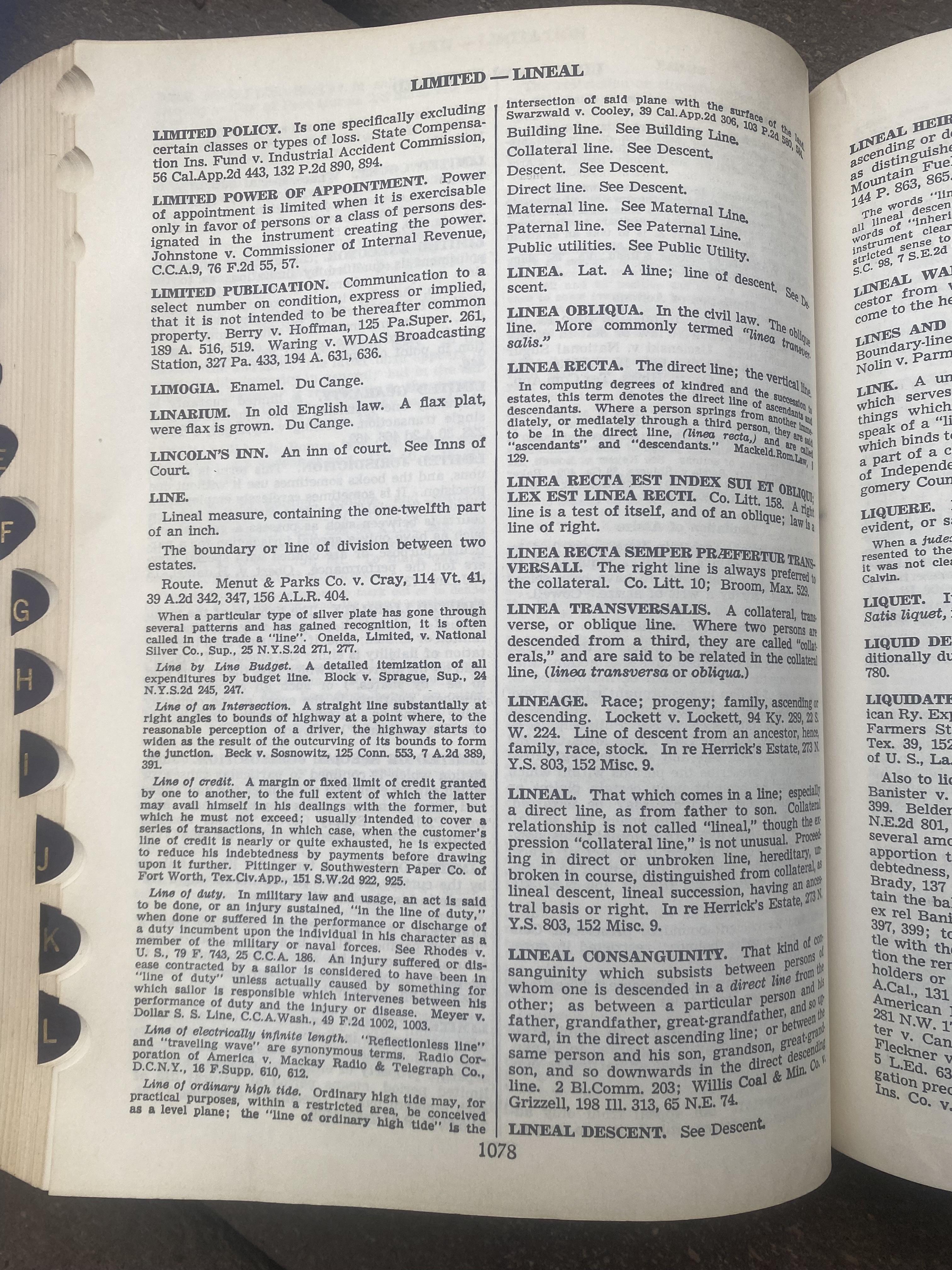
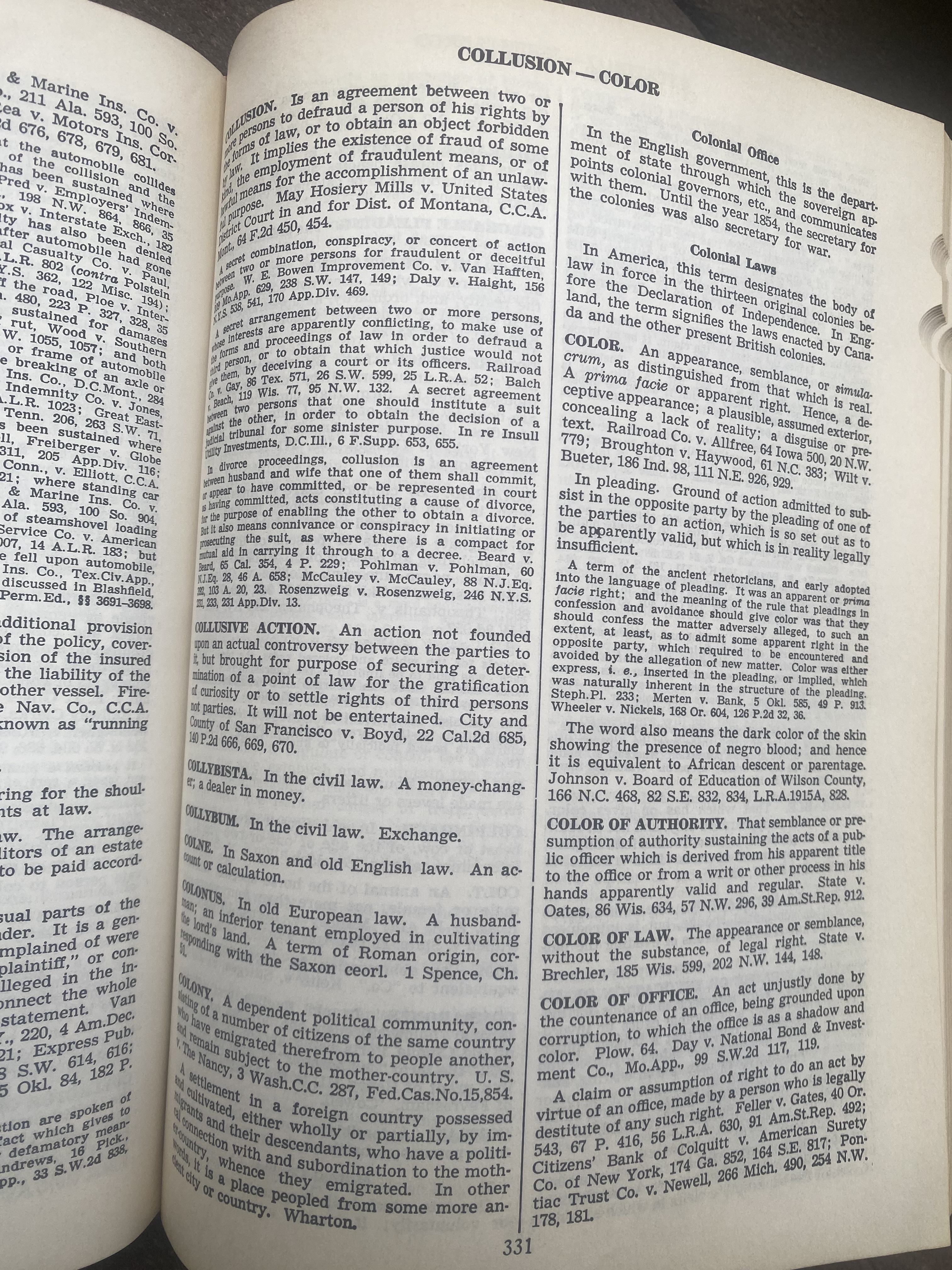
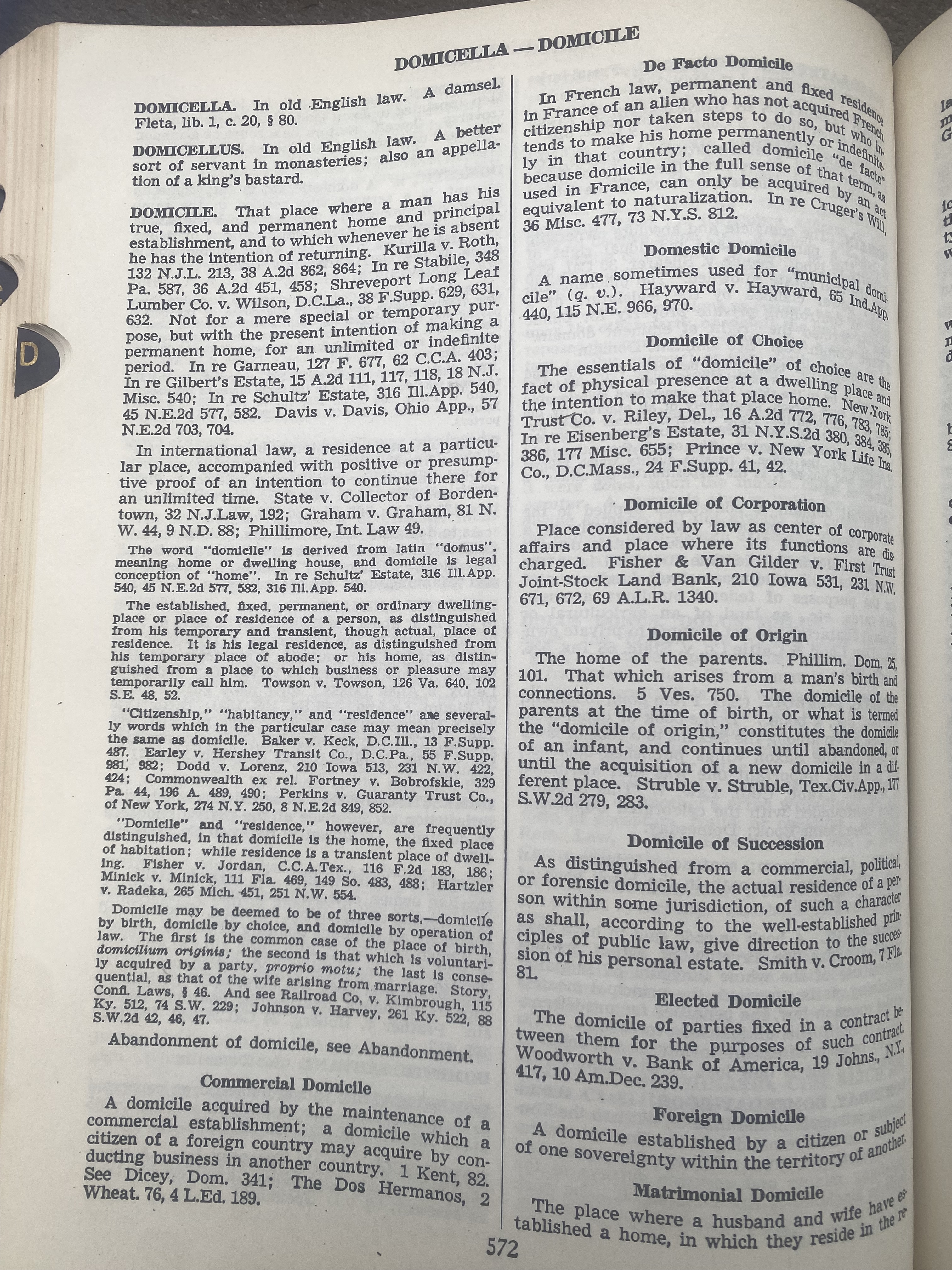
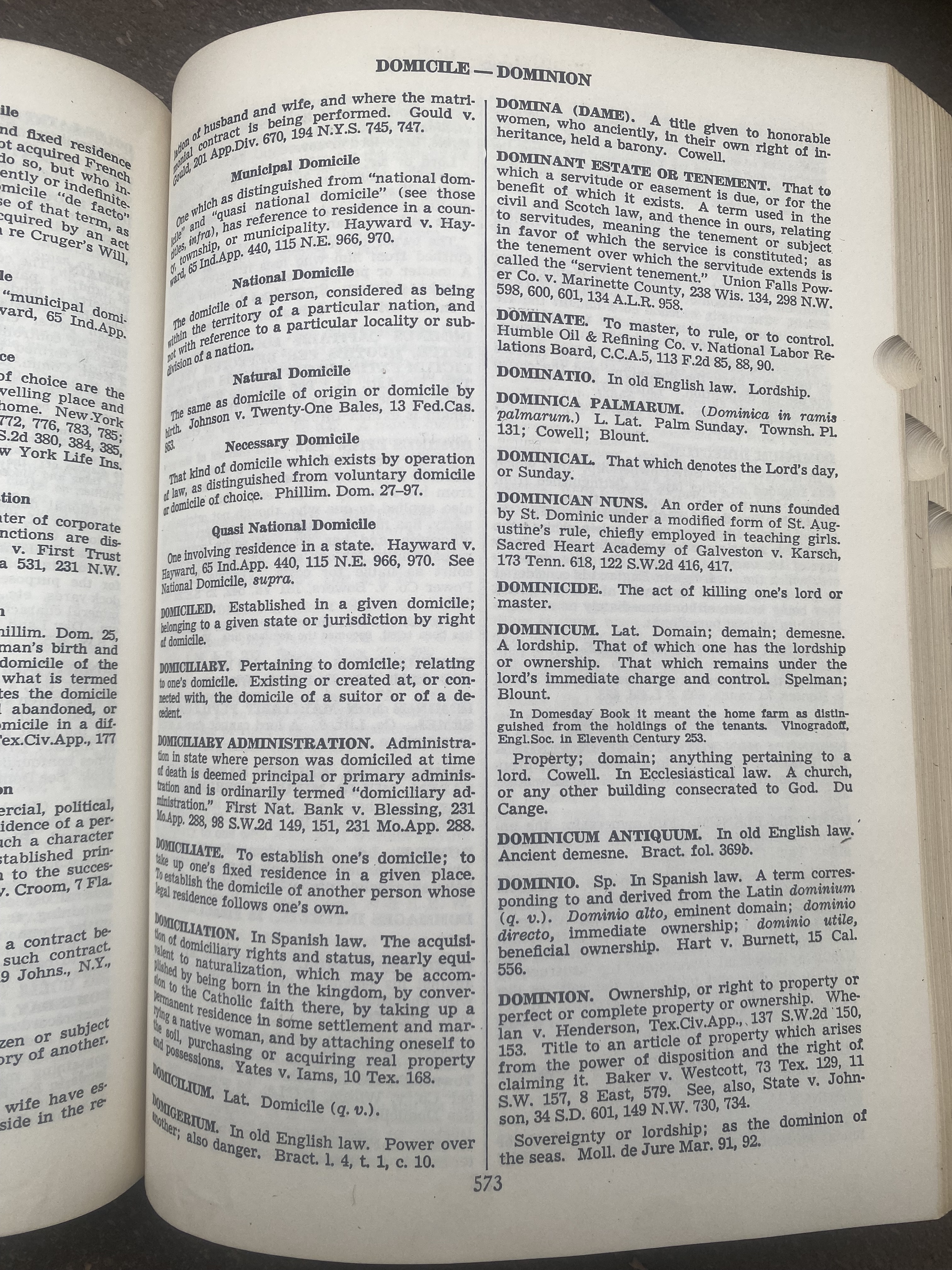
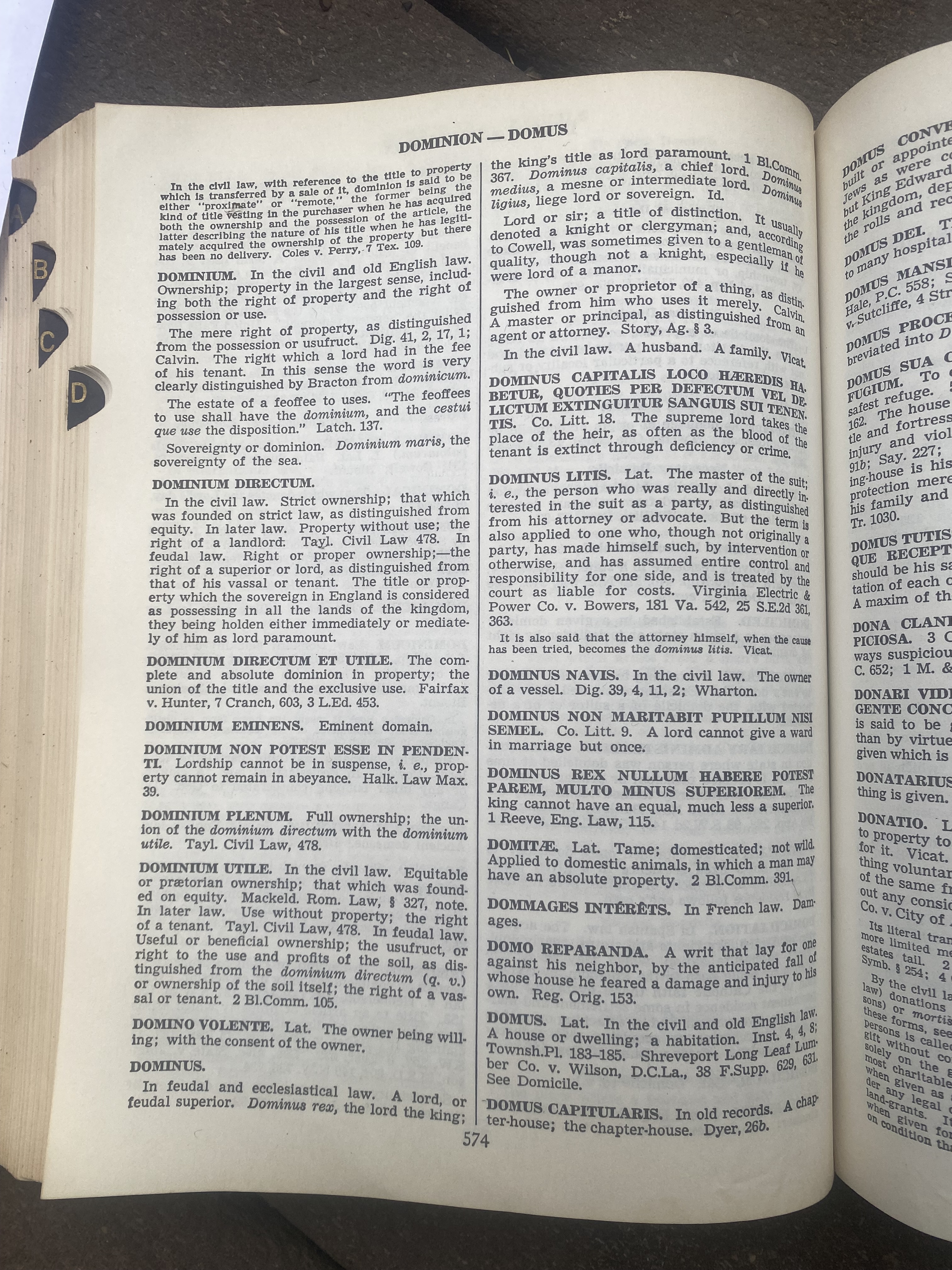
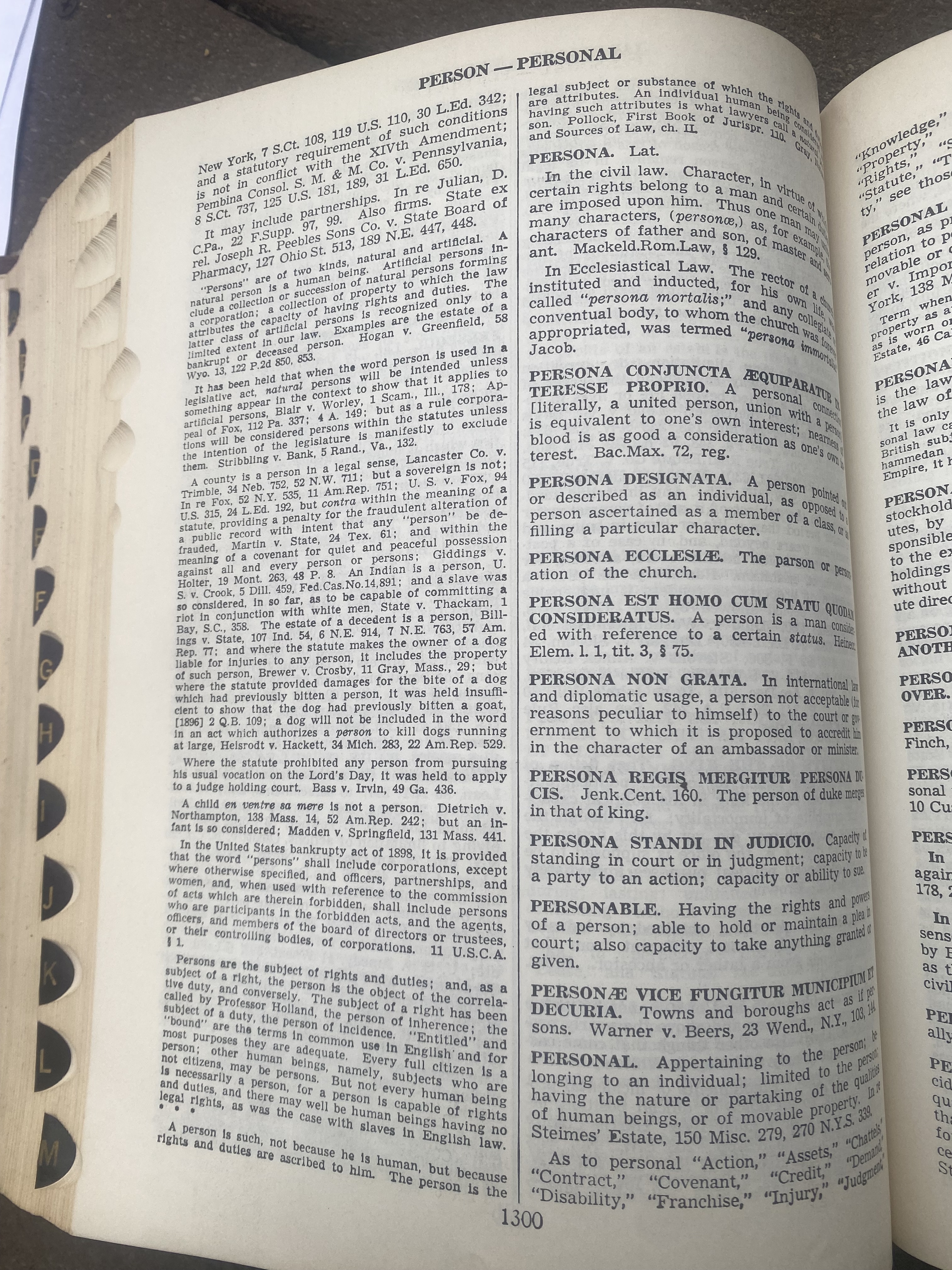
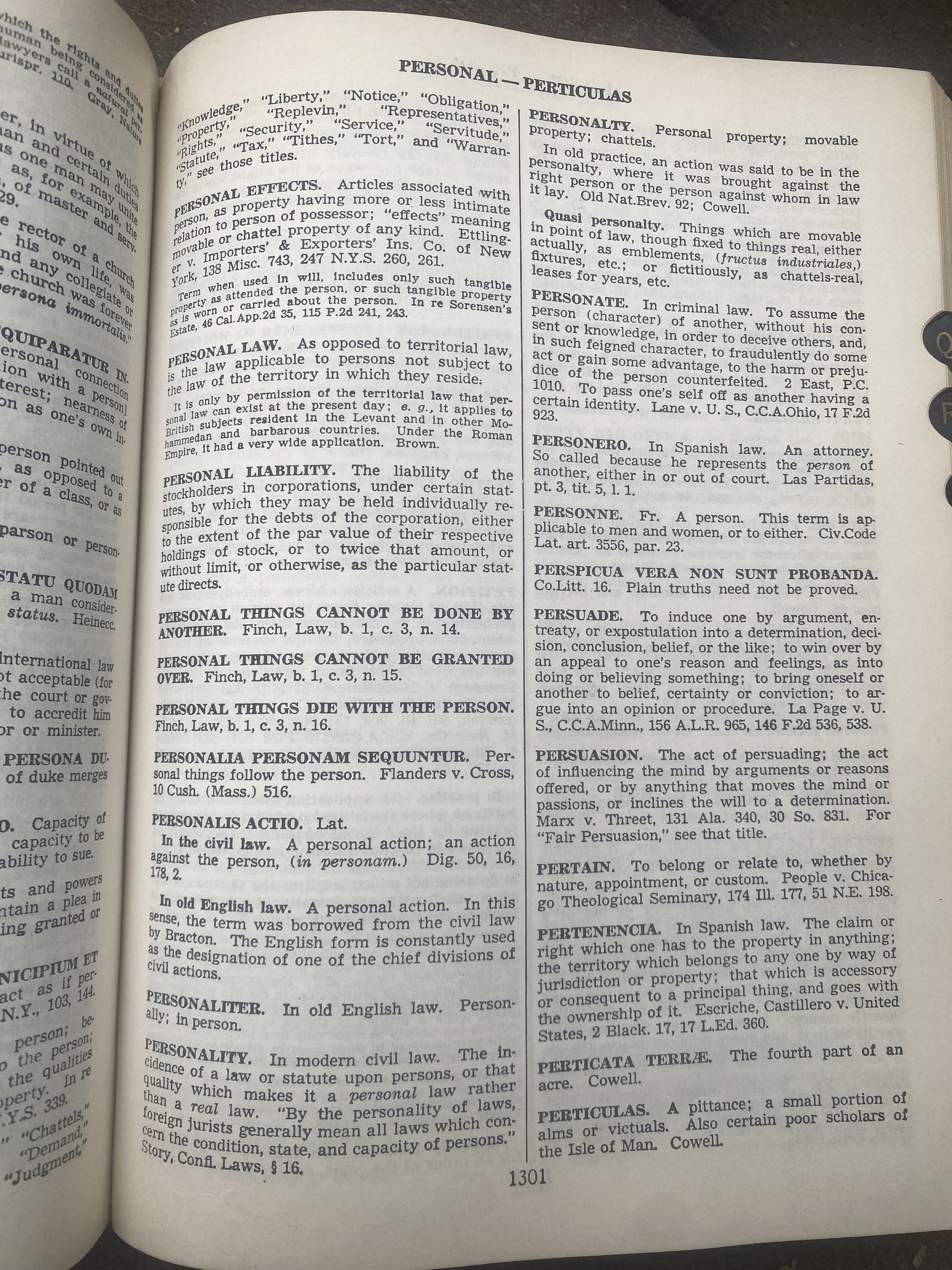
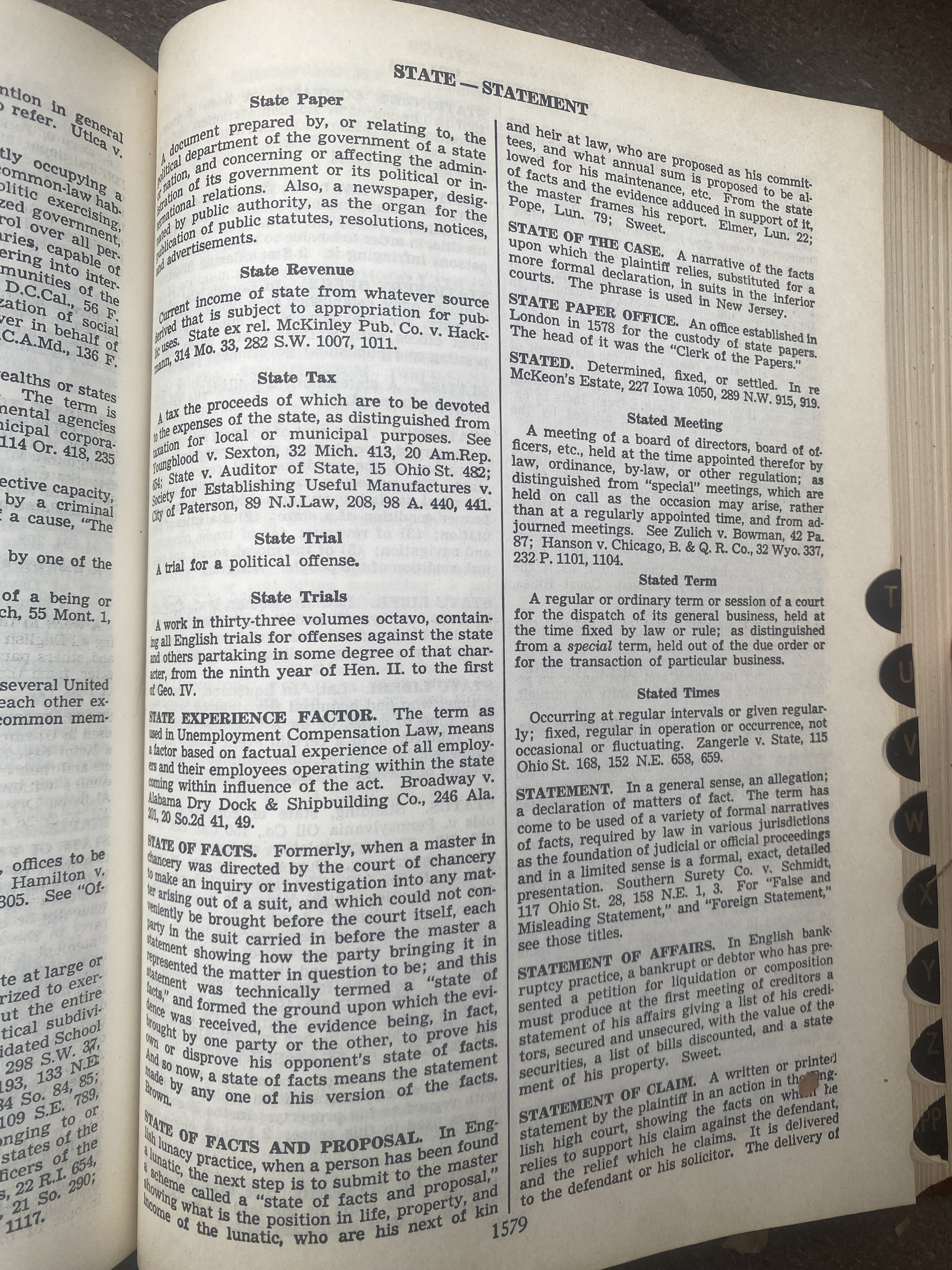
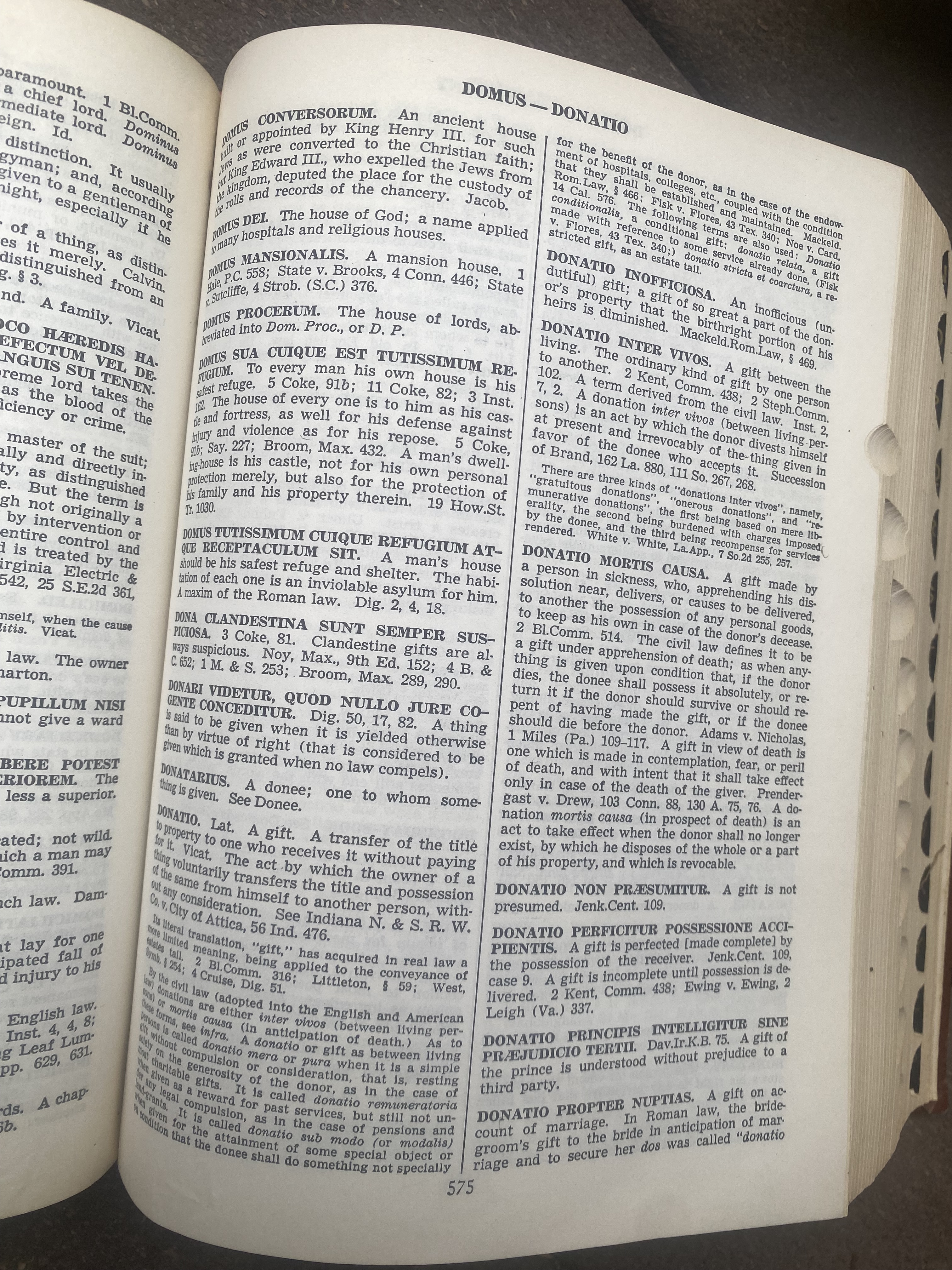
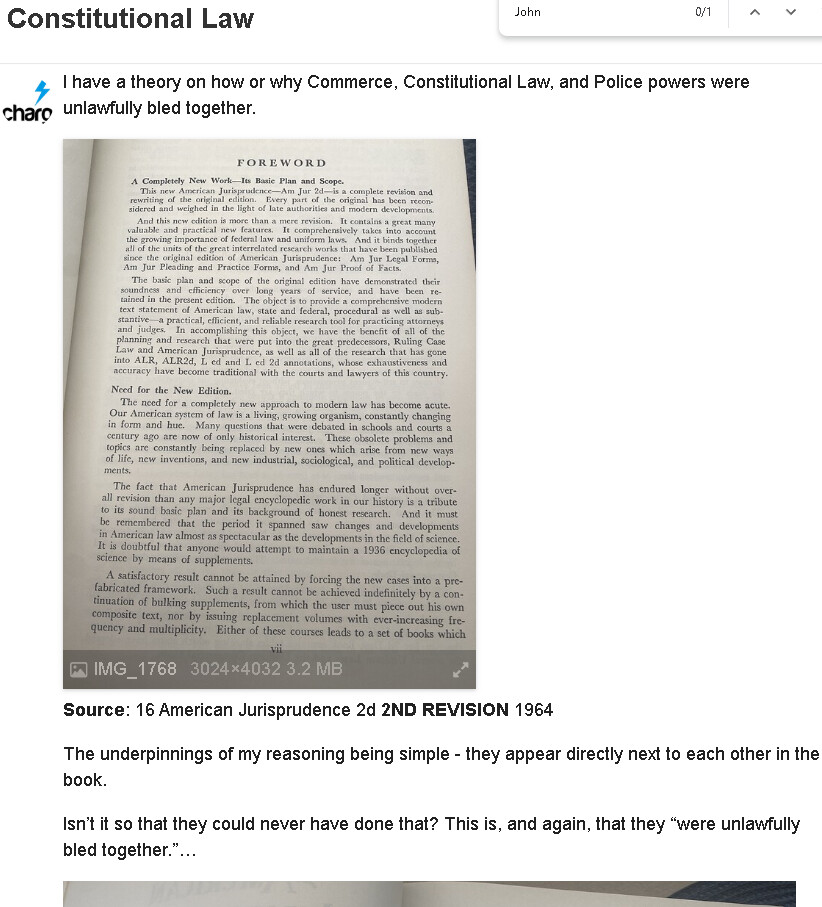
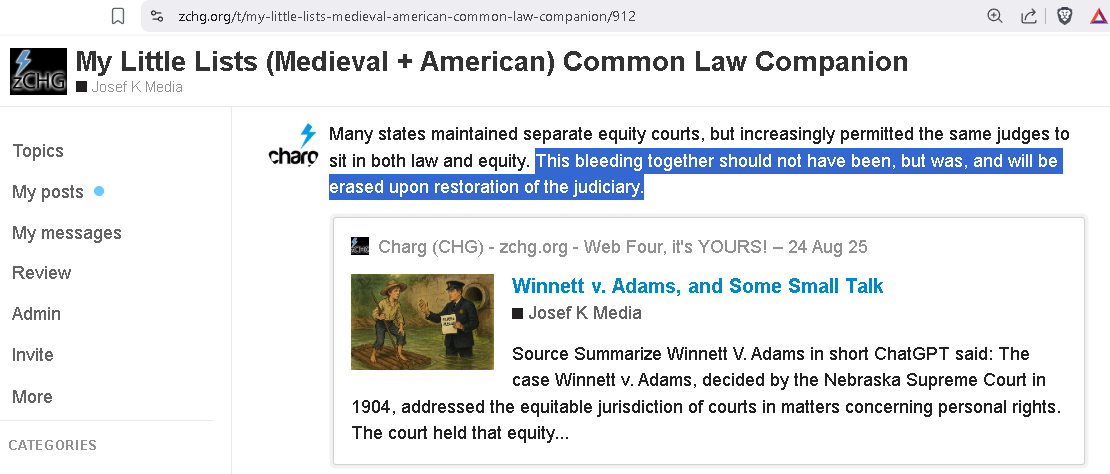
The unlawful bleeding together of law and equity; of police powers, commerce, and Constitutional Law; and of Article III and IV courtrooms around and later than the eras of Black’s 3rd and 4th; Am. Jur. 1D 2D, and late 2D especially (but also the gradual implied decline since day one)..
“An unconstitutional act is not a law; it confers no rights; it imposes no duties; it affords no protection; it creates no office; it is in legal contemplation as inoperative as though it had never been passed.” Norton v. Shelby County, 118 U.S. 425 (1886)

“[A] law repugnant to the constitution is void, and that courts, as well as other departments, are bound by that instrument.” Marbury v. Madison, 5 U.S. 137 (1803)

"We hold these truths to be self-evident, that all men are created equal, that they are endowed by their Creator with certain unalienable Rights, that among these are Life, Liberty and the pursuit of Happiness.--That to secure these rights, Governments are instituted among Men, deriving their just powers from the consent of the governed, --That whenever any Form of Government becomes destructive of these ends, it is the Right of the People to alter or to abolish it, and to institute new Government, laying its foundation on such principles and organizing its powers in such form, as to them shall seem most likely to effect their Safety and Happiness."  Declaration of Independence (1776)

https://supreme.justia.com/cases/federal/us/5/137/

https://www.law.cornell.edu/wex/rules_enabling_act_of_1934

https://supreme.justia.com/cases/federal/us/52/669/

https://supreme.justia.com/cases/federal/us/61/523/

https://supreme.justia.com/cases/federal/us/273/28/

https://supreme.justia.com/cases/federal/us/359/500/

https://supreme.justia.com/cases/federal/us/369/469/

https://zchg.org/t/carl-miller-complete-including-16-am-jur-2d-constitutional-law-supplemental/530

Why was common law blended with equity?  How could that have been?  What is repugnancy?

Article III
Section 1

The judicial Power of the United States, shall be vested in one supreme Court, and in such inferior Courts as the Congress may from time to time ordain and establish. The Judges, both of the supreme and inferior Courts, shall hold their Offices during good Behaviour, and shall, at stated Times, receive for their Services, a Compensation, which shall not be diminished during their Continuance in Office.

Section 2

The judicial Power shall extend to all Cases, in Law and Equity, arising under this Constitution, the Laws of the United States, and Treaties made, or which shall be made, under their Authority;—to all Cases affecting Ambassadors, other public Ministers and Consuls;—to all Cases of admiralty and maritime Jurisdiction;—to Controversies to which the United States shall be a Party;—to Controversies between two or more States;—between a State and Citizens of another State,—between Citizens of different States,—between Citizens of the same State claiming Lands under Grants of different States, and between a State, or the Citizens thereof, and foreign States, Citizens or Subjects.

In all Cases affecting Ambassadors, other public Ministers and Consuls, and those in which a State shall be Party, the supreme Court shall have original Jurisdiction. In all the other Cases before mentioned, the supreme Court shall have appellate Jurisdiction, both as to Law and Fact, with such Exceptions, and under such Regulations as the Congress shall make.

The Trial of all Crimes, except in Cases of Impeachment, shall be by Jury; and such Trial shall be held in the State where the said Crimes shall have been committed; but when not committed within any State, the Trial shall be at such Place or Places as the Congress may by Law have directed.

Section 3

Treason against the United States, shall consist only in levying War against them, or in adhering to their Enemies, giving them Aid and Comfort. No Person shall be convicted of Treason unless on the Testimony of two Witnesses to the same overt Act, or on Confession in open Court.

The Congress shall have Power to declare the Punishment of Treason, but no Attainder of Treason shall work Corruption of Blood, or Forfeiture except during the Life of the Person attainted.

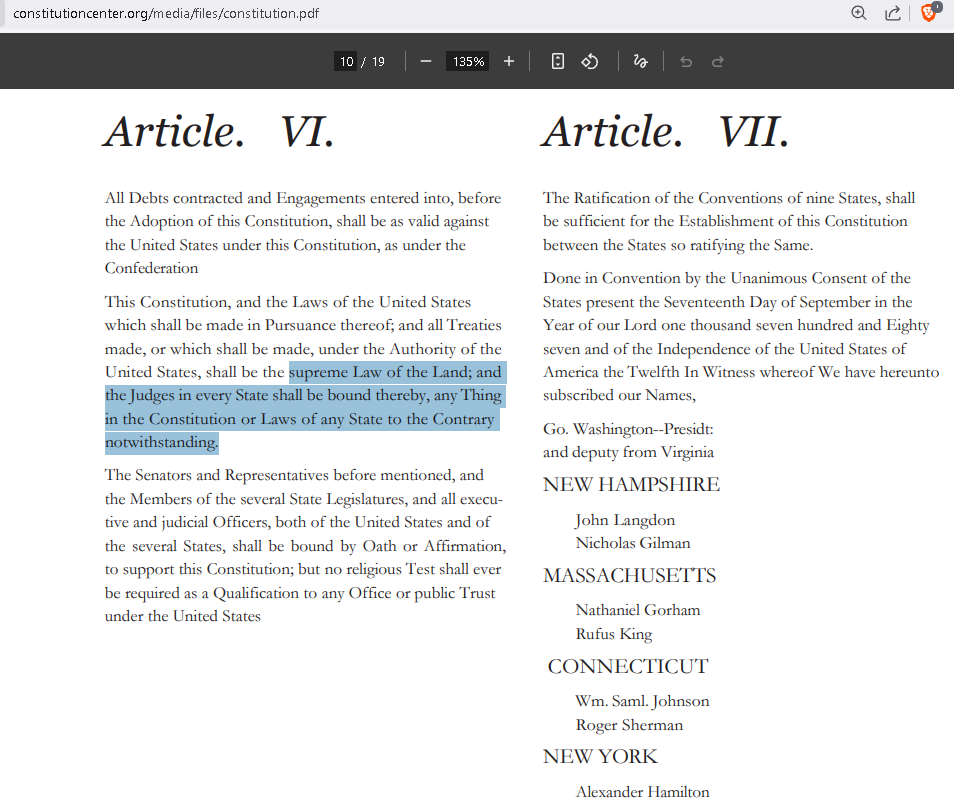
Article VI, Clause 2:

This Constitution, and the Laws of the United States which shall be made in Pursuance thereof; and all Treaties made, or which shall be made, under the Authority of the United States, shall be the supreme Law of the Land; and the Judges in every State shall be bound thereby, any Thing in the Constitution or Laws of any State to the Contrary notwithstanding.

ARTICLE VII
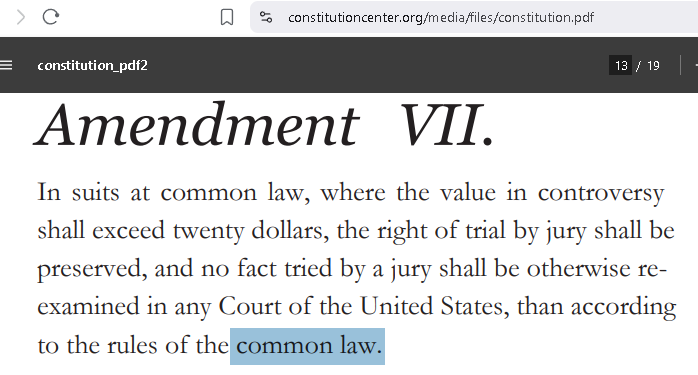
In Suits at common law, where the value in
controversy shall exceed twenty dollars, the right of trial by jury shall be preserved, and no fact tried by a jury, shall be otherwise re-examined in any Court of the United States, than according to the rules of the common law.

Fourth Amendment
The right of the people to be secure in their persons, houses, papers, and effects, against unreasonable searches and seizures, shall not be violated, and no Warrants shall issue, but upon probable cause, supported by Oath or affirmation, and particularly describing the place to be searched, and the persons or things to be seized.

Fifth Amendment
No person shall be held to answer for a capital, or otherwise infamous crime, unless on a presentment or indictment of a Grand Jury, except in cases arising in the land or naval forces, or in the Militia, when in actual service in time of War or public danger; nor shall any person be subject for the same offence to be twice put in jeopardy of life or limb; nor shall be compelled in any criminal case to be a witness against himself, nor be deprived of life, liberty, or property, without due process of law; nor shall private property be taken for public use, without just compensation.

Sixth Amendment
In all criminal prosecutions, the accused shall enjoy the right to a speedy and public trial, by an impartial jury of the State and district wherein the crime shall have been committed, which district shall have been previously ascertained by law, and to be informed of the nature and cause of the accusation; to be confronted with the witnesses against him; to have compulsory process for obtaining witnesses in his favor, and to have the Assistance of Counsel for his defence.

Seventh Amendment
In Suits at common law, where the value in controversy shall exceed twenty dollars, the right of trial by jury shall be preserved, and no fact tried by a jury, shall be otherwise re-examined in any Court of the United States, than according to the rules of the common law.

Eighth Amendment
Excessive bail shall not be required, nor excessive fines imposed, nor cruel and unusual punishments inflicted.

Ninth Amendment
The enumeration in the Constitution, of certain rights, shall not be construed to deny or disparage others retained by the people.

Tenth Amendment
The powers not delegated to the United States by the Constitution, nor prohibited by it to the States, are reserved to the States respectively, or to the people.

Eleventh Amendment
The Judicial power of the United States shall not be construed to extend to any suit in law or equity, commenced or prosecuted against one of the United States by Citizens of another State, or by Citizens or Subjects of any Foreign State.

.. is the Eleventh Amendment, in full or in part, unconstitutional?  What is incoherence?  What is repugnancy?  Can severability restore anything in this context?  How can the words "internally consistent" wipe away dogmatic overlay layers,.. if we are being honest?

The Federalist Papers : No. 81
These reasons seem sufficient to satisfy a candid mind, that the want of such a power would have been a great defect in the plan. Let us now examine in what manner the judicial authority is to be distributed between the supreme and the inferior courts of the Union. The Supreme Court is to be invested with original jurisdiction, only "in cases affecting ambassadors, other public ministers, and consuls, and those in which A STATE shall be a party.'' Public ministers of every class are the immediate representatives of their sovereigns. All questions in which they are concerned are so directly connected with the public peace, that, as well for the preservation of this, as out of respect to the sovereignties they represent, it is both expedient and proper that such questions should be submitted in the first instance to the highest judicatory of the nation. Though consuls have not in strictness a diplomatic character, yet as they are the public agents of the nations to which they belong, the same observation is in a great measure applicable to them. In cases in which a State might happen to be a party, it would ill suit its dignity to be turned over to an inferior tribunal. Though it may rather be a digression from the immediate subject of this paper, I shall take occasion to mention here a supposition which has excited some alarm upon very mistaken grounds. It has been suggested that an assignment of the public securities of one State to the citizens of another, would enable them to prosecute that State in the federal courts for the amount of those securities; a suggestion which the following considerations prove to be without foundation.

https://avalon.law.yale.edu/18th_century/fed81.asp

It is inherent in the nature of sovereignty not to be amenable to the suit of an individual WITHOUT ITS CONSENT. This is the general sense, and the general practice of mankind; and the exemption, as one of the attributes of sovereignty, is now enjoyed by the government of every State in the Union. Unless, therefore, there is a surrender of this immunity in the plan of the convention, it will remain with the States, and the danger intimated must be merely ideal. The circumstances which are necessary to produce an alienation of State sovereignty were discussed in considering the article of taxation, and need not be repeated here. A recurrence to the principles there established will satisfy us, that there is no color to pretend that the State governments would, by the adoption of that plan, be divested of the privilege of paying their own debts in their own way, free from every constraint but that which flows from the obligations of good faith. The contracts between a nation and individuals are only binding on the conscience of the sovereign, and have no pretensions to a compulsive force. They confer no right of action, independent of the sovereign will. To what purpose would it be to authorize suits against States for the debts they owe? How could recoveries be enforced? It is evident, it could not be done without waging war against the contracting State; and to ascribe to the federal courts, by mere implication, and in destruction of a pre-existing right of the State governments, a power which would involve such a consequence, would be altogether forced and unwarrantable.

5 U.S. Code § 556(d)
Except as otherwise provided by statute, the proponent of a rule or order has the burden of proof. Any oral or documentary evidence may be received, but the agency as a matter of policy shall provide for the exclusion of irrelevant, immaterial, or unduly repetitious evidence. A sanction may not be imposed or rule or order issued except on consideration of the whole record or those parts thereof cited by a party and supported by and in accordance with the reliable, probative, and substantial evidence. The agency may, to the extent consistent with the interests of justice and the policy of the underlying statutes administered by the agency, consider a violation of section 557(d) of this title sufficient grounds for a decision adverse to a party who has knowingly committed such violation or knowingly caused such violation to occur. A party is entitled to present his case or defense by oral or documentary evidence, to submit rebuttal evidence, and to conduct such cross-examination as may be required for a full and true disclosure of the facts. In rule making or determining claims for money or benefits or applications for initial licenses an agency may, when a party will not be prejudiced thereby, adopt procedures for the submission of all or part of the evidence in written form.

https://www.law.cornell.edu/uscode/text/5/556
… if I invoke my natural man Right, identify the color of law, pseudo-law in the de facto courtroom as such implicitly, the rule-making is reverted to, and even can become a de facto of itself in desire to bridle unalienable man, isn’t that so? As to say, since rulemaking can make new rules, what had stopped it from making new rules which are paradoxical even to the rulemaking, where we are truly kangaroo, do you see it yet? Why is that? Isn’t it so that, in 2026, reverting to labelling the invoking of unalienable Right as ‘sovereign citizen’ is in fact de facto? And what we wanted was de jure Law, where Law cannot be converted to rule-making, and where the problem of rule-making, itself being redefined on-the-go, is by default nipped-in-the-butt? Are we looney tunes enough yet?
Maybe it’s time we go back to 1960, but simply put we shouldn’t stop there. For to get to 1960’s, itself the result of chipping away at the Rights our ancestors fought and died for, maybe it’s time we go back even further in time? I can see the 11th Amendment already was an abomination beside simple Law, can you? And if that is so, just how poisoned are our rulebooks?
When I attempted to thought exercise, or game it out, I realized - there is no surgery which can be performed which wouldn’t kill the patient. And to understand that, you need to study it for yourself, experience it for yourself, find yourself invoking THE LAW and find yourself facing THE RULES as to somehow paradoxically trump, though it cannot, it has, and it will it not all over again? Quantum law is no law, it’s simply plaque on the tooth pretending to be the Law, and when cornered, mutating itself all over again, can you see it yet? As I had said, abomination.