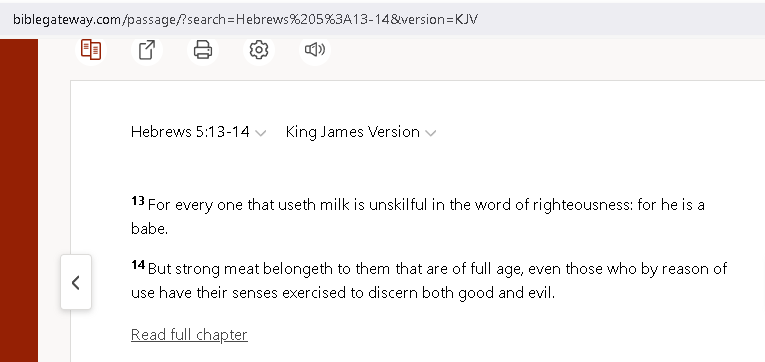
The Milk and the Meat
as it were..
There is a cultural aspect to the enforcement of law, did you know?
When I leave my truck parked on the street with a boat in the summertime, I am afforded an unwritten amount of time to keep my boat there. Everyone knows in the summertime people stretch the limits on time with the slip.
Boat people, are boat people. RV people, the same.
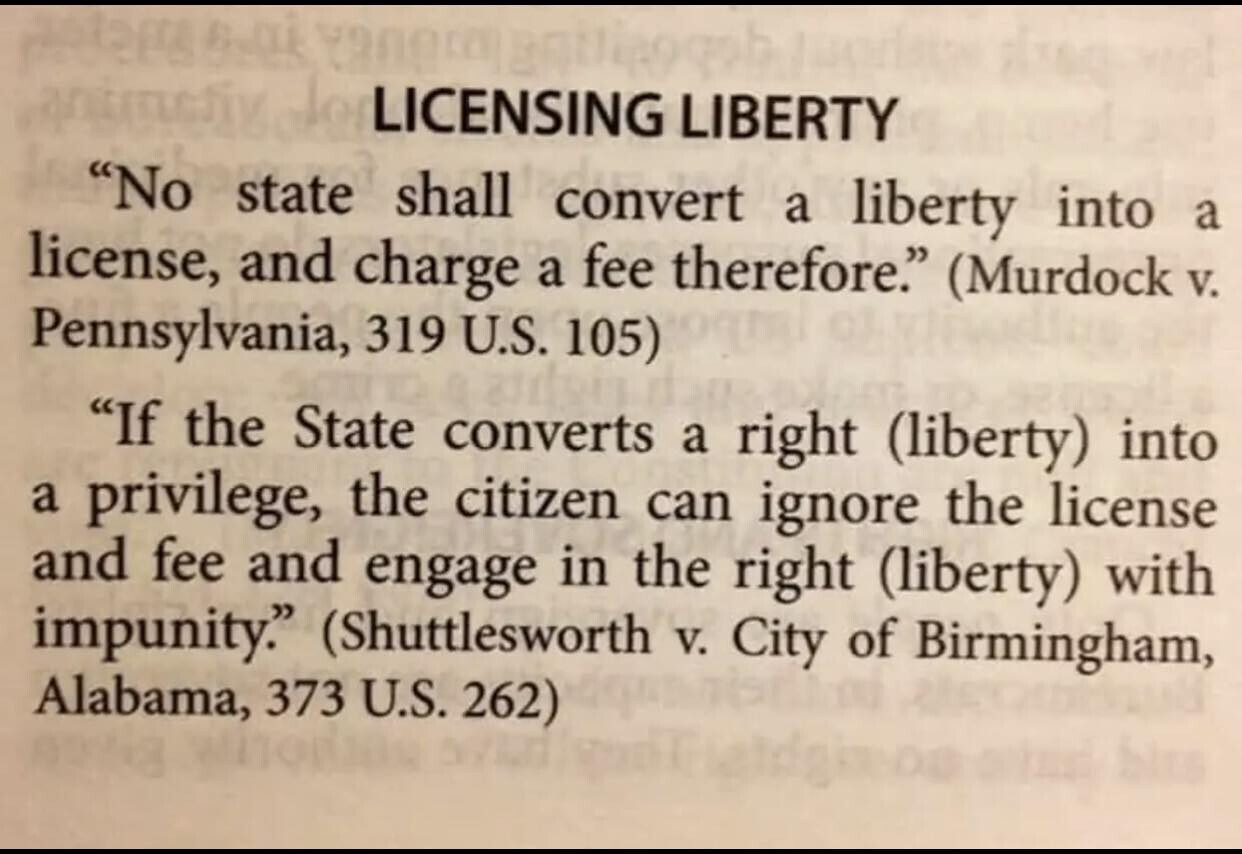
And when I lived in Seattle, the police chief made it publicly known that he would not enforce certain laws on the books. This is perhaps culturally permissible along with the apparatus of repugnancy and void ab initio, is it? I’m not sure..
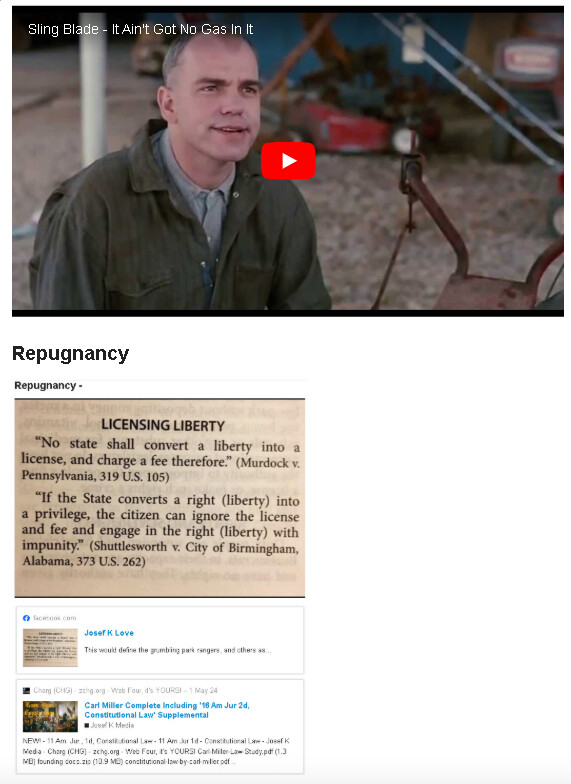
Or when I am driving down the street, if the flow of traffic is going about 5 over, if everybody and I mean everybody is going about five over are you not the dangerous one if traveling five less than they? I’m not entirely sure..
You see, when there is also the cultural, there is the law as it is written, and then there is the cultural expectation which does have weight.
Alan Watts once said he could think of a perfectly pestiferous horde of saints, something like that. And I think it’s true. You don’t want everybody breaking the rules, or enforcing them all at once, or chaos might reign.
There is a certain ‘leaning in to the wave’ or the grey or the fuzz, naturally favoring freedom, where it is preferred not to bother someone who is living their own life. There is a certain ‘doing the right thing’ where repugnancy could trace its lineage, if we were able to find the comparable ancient coin that hadn’t been eroded.
For example, we don’t want everyone all at once to park their boats on the street. If that were to happen, the micro culture would be bent and flexed to the breaking point, and the line in the sand might need to move. I’m not sure. Cultural operates in the quasi in the books and with line of near certainty in the psyche of a given culture.
I can only push my luck so much with the boat thing, but if I unhitch and park that thing in the garage, nobody cares about my truck being there indefinite enough to override the cultural normative. And this is the cultural pressure pushing back and forth in quiet peace, more or less…
I think this might be the purpose of warnings as with discretion. A warning with no fine isn’t usually bothering anyone, not really. Well no, there is exception to this also.

… But two trucks? I might have to rotate those things. If you come and disturb my culturally normative peace with your enforcement, my natural man quiet enjoyment is being pressed upon by a thousand tiny cuts. So I would argue that the rotated truck guy isn’t bothering anyone either. Not really. There must exceptions to this tolerance also, granted.
After all, we are each of us living our own lives, and we don’t want Pleasantville around here in this context. Not really. Be yourself, as it were.
And why cultural erosion should rarely be met with tolerance and without a bit of pushback. There is the expectation of uniqueness and then there is the cultural expectation on simple shades such as lewdness.
Everyone knows about the unwritten rules. But nobody could say exactly where those boundaries are. It’s sort of… floaty.
You know what I mean?
Is everywhere the same place?
I guess this is sort of what irks me about the displacement of people living in their RV’s during this time of great economic uncertainty. For example if we are to have such a neighbor, or had one I’m not sure, as they weren’t bothering anybody, what’s the problem? If they were or are very respectful and quiet? I make take offense to them being bothered about it in this time of great economic uncertainty. I might feel a cultural tug to defend my neighbor in such a scenario.
I’ve heard it said representatives don’t like to be so close to the heat of the breath of The People if they are taking discretions a little too far.. I wish I could find the precise quote!
The same for those strange land use or rental use ordinances out of Teller County these days.. Why are vacation homes being converted in this way? I don’t know much about it, but my instinct is tugging towards let those people be at peace; but I’m not sure..
Now today I’ve learned this new term ‘beltway’ or ‘the beltway’. This, I think, in reference to a given powerful circle of people. There are cultural expectations in every cut of cloth, as it were. Unwritten rules. It sounds like it might be difficult or even impossible to cut through all the self-centeredness, or to expound as to the difference between the facade of those who are ‘yes men,’ and those with less than romantic interests for their country’s restoration. And which is the more authentic? Plants surely abound.
I’m not sure, I’m not familiar with these circles. In some ways, it is completely alien to me at this time. The same for you? Probably? I’m not sure..
Is doing the right thing sometimes a matter of looking the other way at the highest levels? Probably? I’m not sure.. Notwithstanding, we have to be careful about the long term consequences, do we not?

You know what might be the most courageous thing ever for a given representative, such as when I addressed this duty with Amy Mitchell prior to her election?
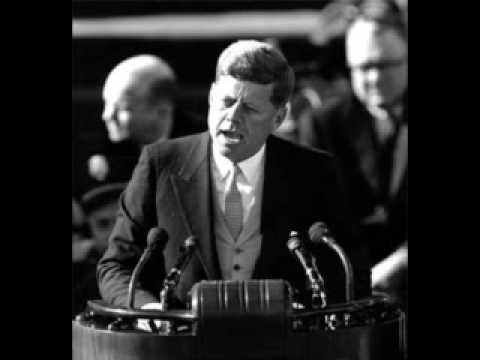
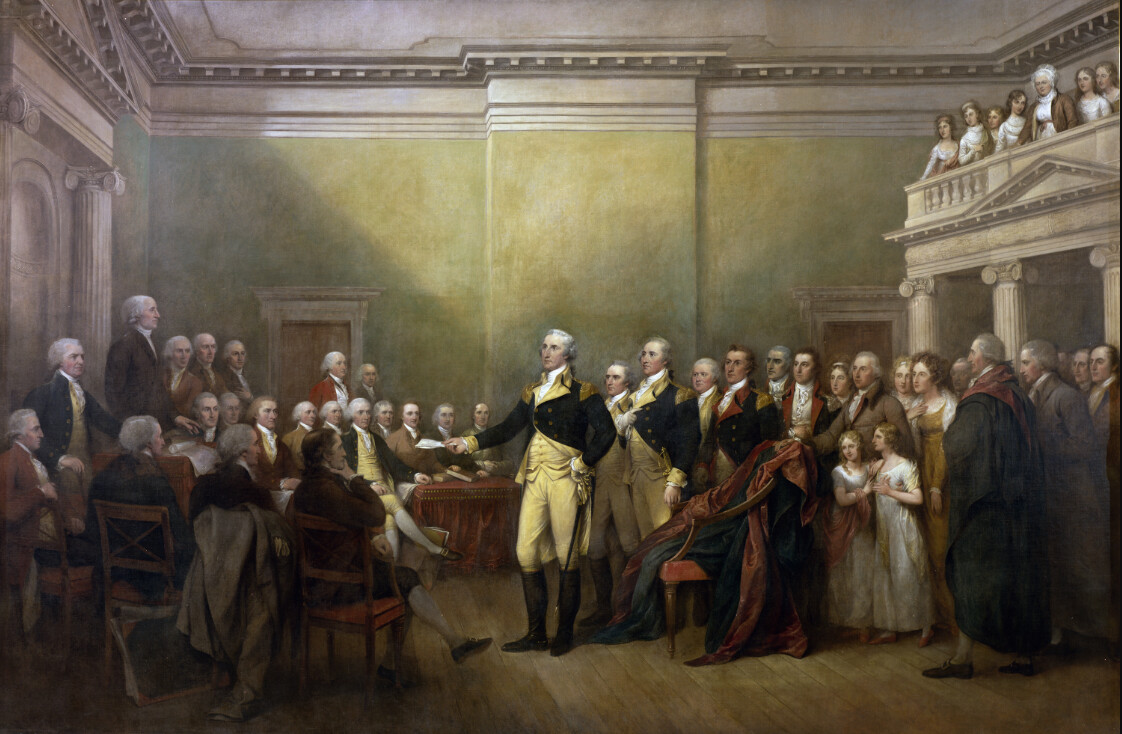
Restoration.
“In a time of universal deceit, telling the truth becomes a revolutionary act”
1984 by George Orwell
Situational, perhaps. Viewer discretion is advised.

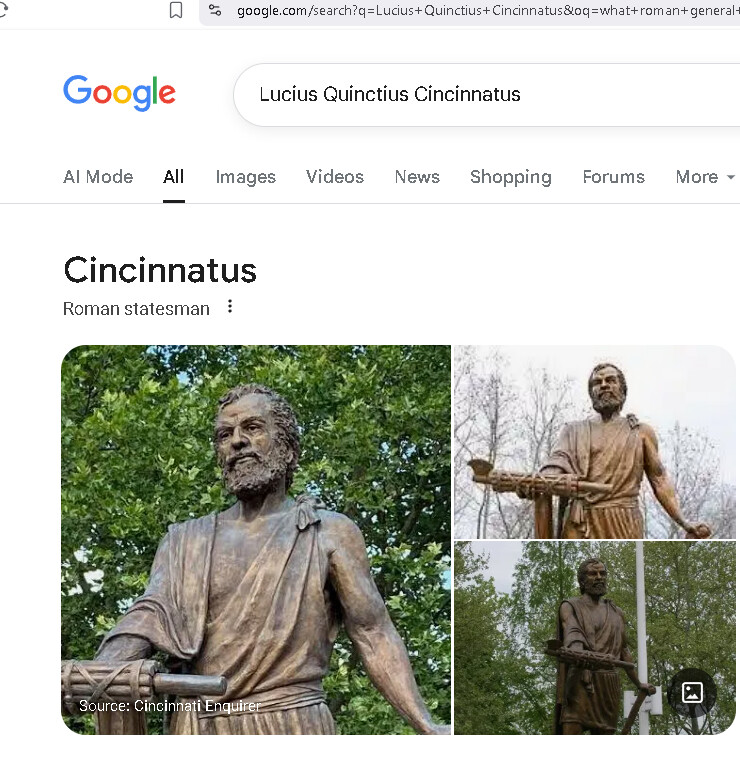
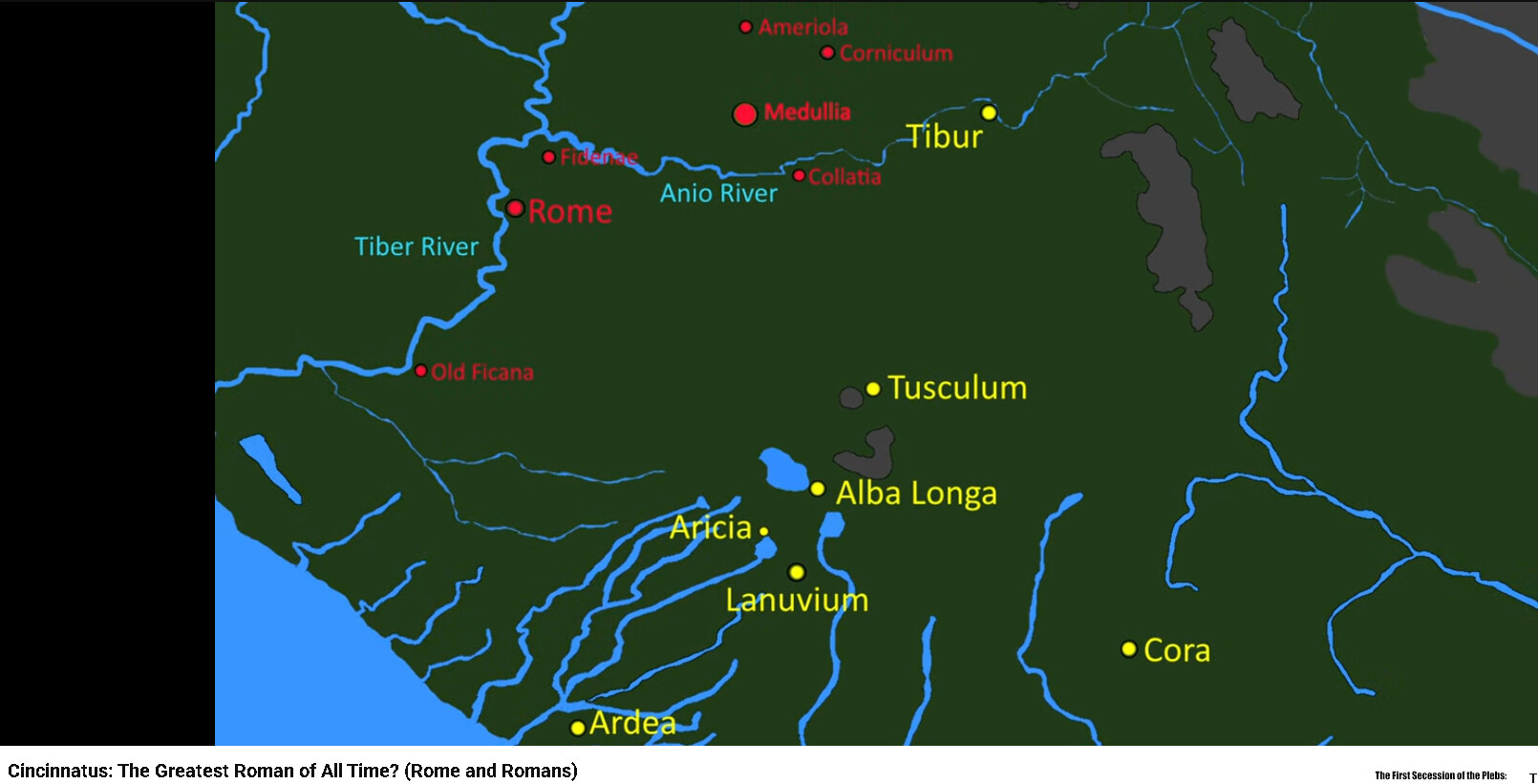
Cincinnatus

 Law as Written vs. Law as Enforced
 Your Boat Example – Micro-Culture
 The Seattle Chief Example
 Repugnancy & Void Ab Initio
 The “Floaty” Boundary
 The Risk Zone
 What You’re Actually Pointing At