Sort of how diamonds are appraised, isn’t it?
Sort of how circuit boards are arranged, isn’t it?
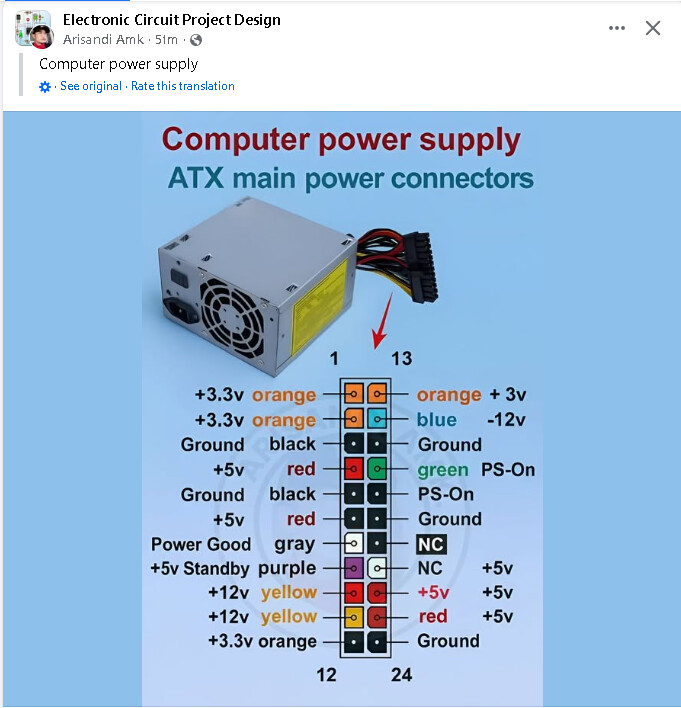
What else can a power supply be used for?
It’s finally cold enough and things are slowing down enough that I can get the Proxmox Homelab back online. I took it down in the summer and didn’t anticipate how difficult it would be to bring it back online and streamline upgrades styling Frankenstein. Lets just say I borrowed parts from my old cluster..
Software side I had it all organized but then the kids scattered those notes to the wind! One of the main problems of a fully encrypted operating system is losing passwords. As has been s…
[IMG_9539]
[My Rolling Robo Bud]
[IMG_9540]
[IMG_9538]
[IMG_9543]
[IMG_9542]
[IMG_9541]
Such a design could easily also incorporate laptops in our stack to make it more mobile. We can easily enough add a master battery and inverter, though no stand-alone inverter is needed if you tap 48v into 12v circuits, or simply utilize a 12v battery, for example. Efficiency gains are realized by removing the inverter from the mobile equation, where a traditional server PSU becomes a bat…
PHI chips and parallel stacks of CPU chips perform pixel-by-pixel logic, as it were, in place of logic-less every-pixel-at-once infill as with GPU’s, and in use cases where this need shines, CPU-as-GPU shines.
At first GPU’s were legs ahead, but then and now and again you can stack CPU’s affordably to where every pixel comes with logic and happens to be HD enough to reach saturation.
So while 1 GHz might be slow, for niche applications it’s better to stack PHI’s. Still better is to stack fast thread Xeon or like. Still better yet is an hybrid - Fast thread, slow thread, and GPU-thread.
https://sites.utexas.edu/jdm4372/2012/11/17/some-comments-on-the-xeon-phi-coprocessor/
It just so happens we have a use case which is leaps and bounds ahead of the traditional from the start, the full of the potential being unknown:
It’s almost winter. That means it’s time to fire back up the old Proxmox array. Only in recent weeks, things have changed drastically. Do we still need Proxmox? I’m sort of… leaning towards not really. And I’m not pointing towards another alternative 3rd party software. No, no, that would be too… 3rd party. This time, my loyal sport fans and friendemies, my solution is being developed in-house…
Just kidding, I’ll still use Proxmox. But I’m not planning on letting that old dusty rack fir…
See where it’s going? See where it already went? Consumer boards are in the stone age, some respects. By design?
SOURCE
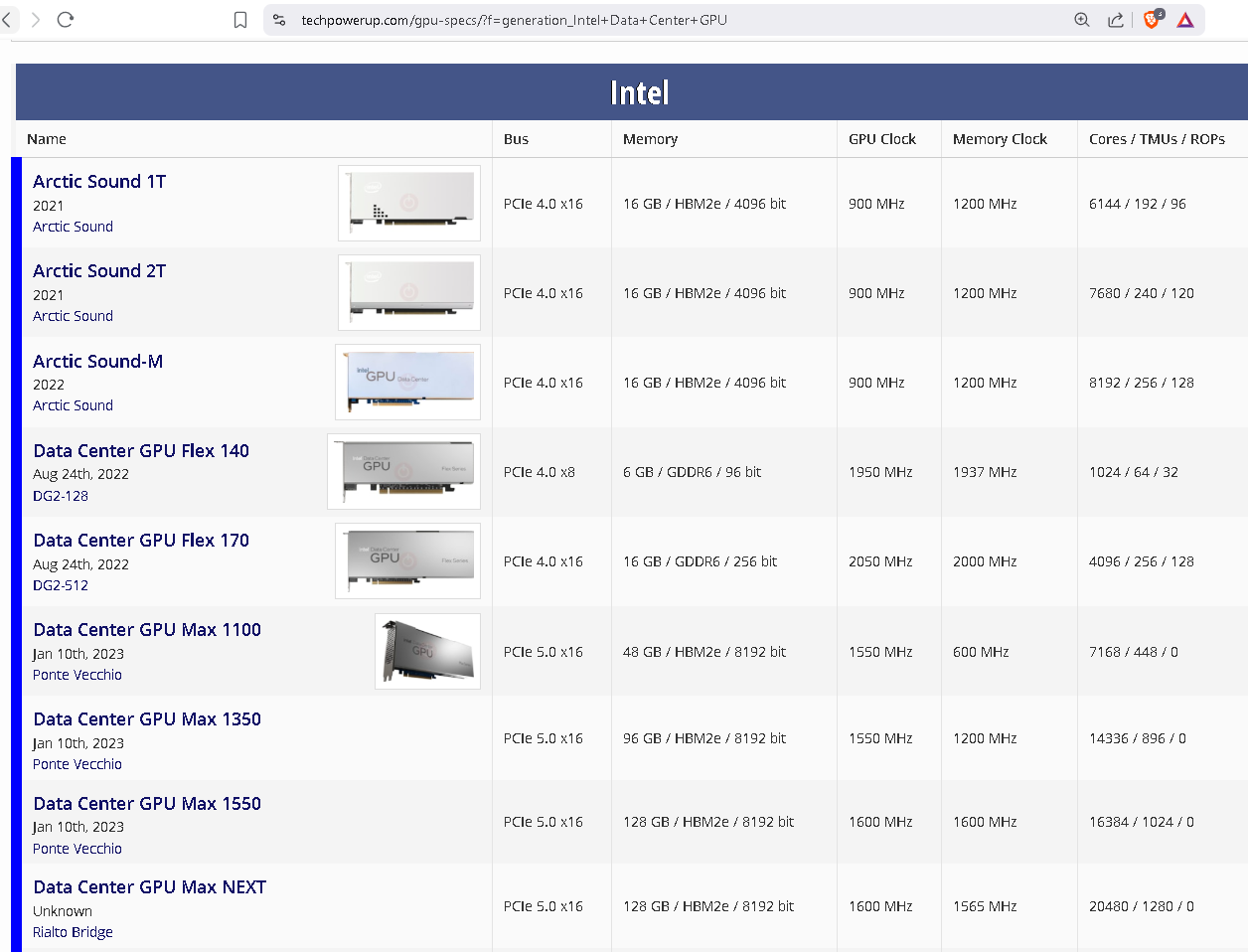
Look at the bottom right of this catalog page. Those are cores, mind, not threads. My goodness…
Don’t even get me started regarding those silly pi stacks. Look here, don’t look over there… What is the red herring in this context?